
AGRA Calls for Farmer-First Climate Breakthrough at COP30, Putting Youth at the Center
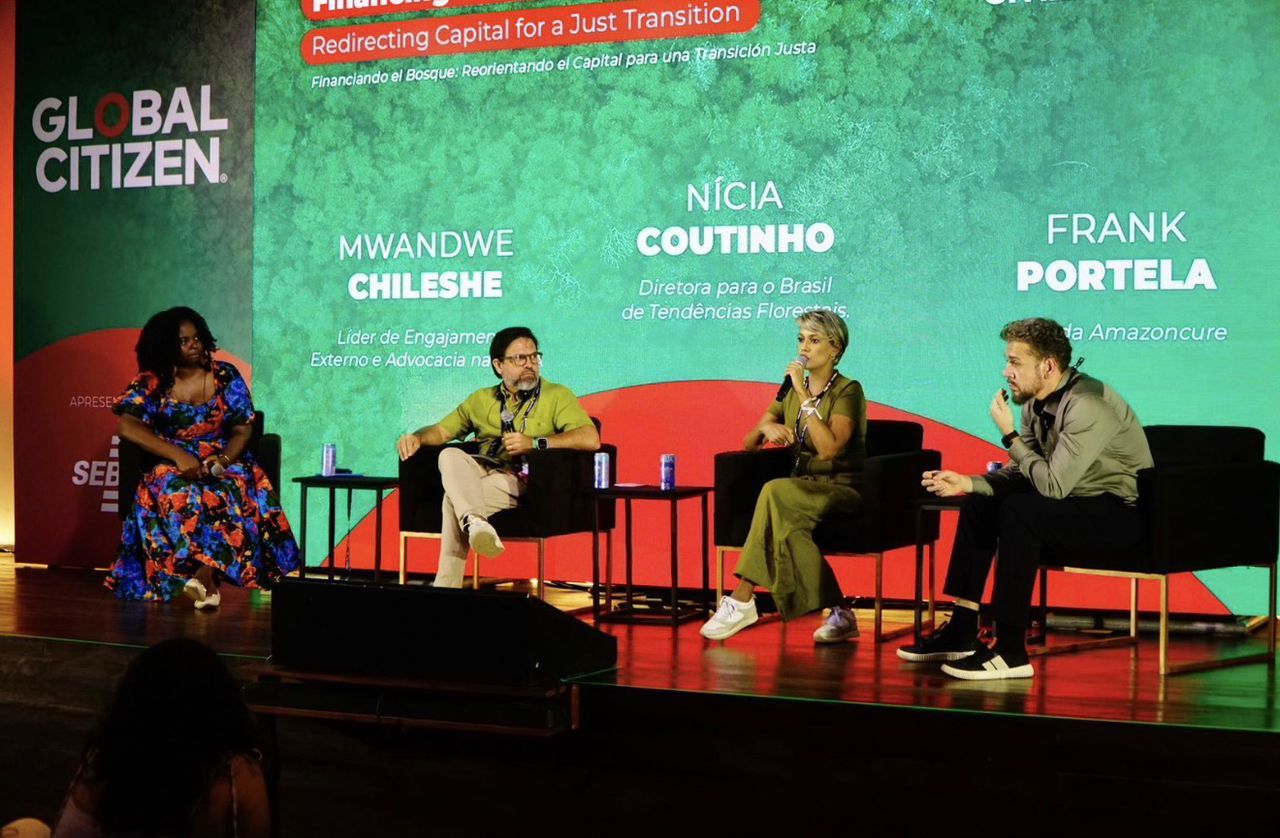
Panelists at COP30 in Belém, Brazil, discuss farmer-first climate action and youth-led solutions for resilient food systems. The session highlighted practical approaches to soil health, climate-smart farming, and policies that support Africa’s smallholder farmers.
African-led agricultural organization AGRA has called for urgent climate action that prioritizes farmers, youth, and soil health as COP30 opens in Belém, Brazil. The organization urged governments and partners to translate pledges into actionable finance and policies that strengthen resilience, create jobs, and boost Africa’s food economies.
The call comes amid rising climate shocks affecting smallholder farmers across Africa, including floods, droughts, and widespread soil degradation. Adaptation funding remains far below what is required, putting livelihoods and food systems at risk, while targeted interventions could accelerate resilience and inclusive growth.
Speaking during a media briefing in Belém, Alice Ruhweza, President of AGRA, underscored the need to put farmers at the center of climate action and ensure commitments translate into tangible results for communities across Africa.
“Africa’s farmers are not waiting for the future; they are shaping it. A farmer-first climate breakthrough ensures that promises are turned into real progress where it matters most on farms and in communities.”
She said.
She highlighted the critical role of youth in agriculture and innovation, stressing that young people must be active participants in strengthening food systems.
“Young people are not just beneficiaries; they are active creators of solutions. Equipping them with skills, finance, and opportunities builds resilient food systems that benefit everyone.”
She emphasized.
Ruhweza also noted that COP30 offers a unique opportunity to move from pledges to practical, on-the-ground results that reach smallholder farmers.
“COP30 is the moment to move from declarations to delivery, translating words into action that strengthens livelihoods and food security.”
She said.
AGRA pointed out that soil degradation, limited access to finance, and weak value chains continue to hinder smallholder productivity. The Africa Food Systems Report 2025 shows that nearly 65 percent of productive land in Africa is degraded, reducing yields and resilience.
Tilahun Amede, AGRA’s Director for Sustainable Farming, Climate Adaptation, and Resilience, spoke on the importance of practical interventions at the farm level in building long-term resilience.
“Resilience is built when the right policies, finance, and technical solutions meet on the farm. Farmers need support that is practical, timely, and aligned with their realities.”
He said.
He emphasized that farmers themselves are central to driving innovation and adaptation across Africa.
“Farmers are the drivers of change. Their knowledge, experience, and creativity are essential to building food systems that can withstand climate shocks.”
He explained.
Amede highlighted the critical role of soil health, water management, and climate-smart practices in sustaining productivity and protecting livelihoods.
“Investing in soil and water management, along with climate-smart farming practices, is crucial to protect yields, strengthen communities, and ensure long-term resilience.”
He emphasized.
GRA also showcased its work across 15 African countries, linking finance, markets, and policy with practical, on-farm solutions. The organization highlighted youth-led initiatives and women’s participation as central to building resilient food systems.
Ruhweza spoke on the importance of providing young Africans with skills, finance, and market access to scale climate-smart solutions effectively.
“We are ensuring that young African farmers have the tools, knowledge, and financial pathways to scale solutions that benefit their communities while contributing to national and regional growth.”
She said.
She added that investing in youth is essential to driving productivity, innovation, and long-term transformation.
“Supporting young people in agriculture is not optional it is essential. When youth thrive, they create resilient systems, jobs, and new opportunities for everyone.”
She emphasized.
The organization also highlighted the Growing Innovations showcase, co-hosted by the Gates Foundation, Brazil’s Ministry of Agriculture, Embrapa, AIM for Scale, CGIAR, CAAS, FARA, and the UAE, which features affordable, climate-smart solutions designed for and in many cases by farmers.
The conference emphasized that achieving climate and food security goals requires practical interventions on the ground, with finance, technology, and partnerships aligned to national priorities. Soil health, inclusive value chains, youth engagement, and market access were identified as critical levers for transforming Africa’s agriculture.
The success of climate action will ultimately be measured by tangible improvements in the lives of farmers and rural communities. Implementing evidence-based policies, channeling finance to where it matters most, and empowering youth and women to participate fully in agricultural value chains are crucial steps in building long-term resilience and ensuring that Africa’s agriculture can thrive in a changing climate.