Africa’s Digital Leaders to Converge in Nairobi for Connected Africa Summit 2026 to Advance Innovation and Policy Action
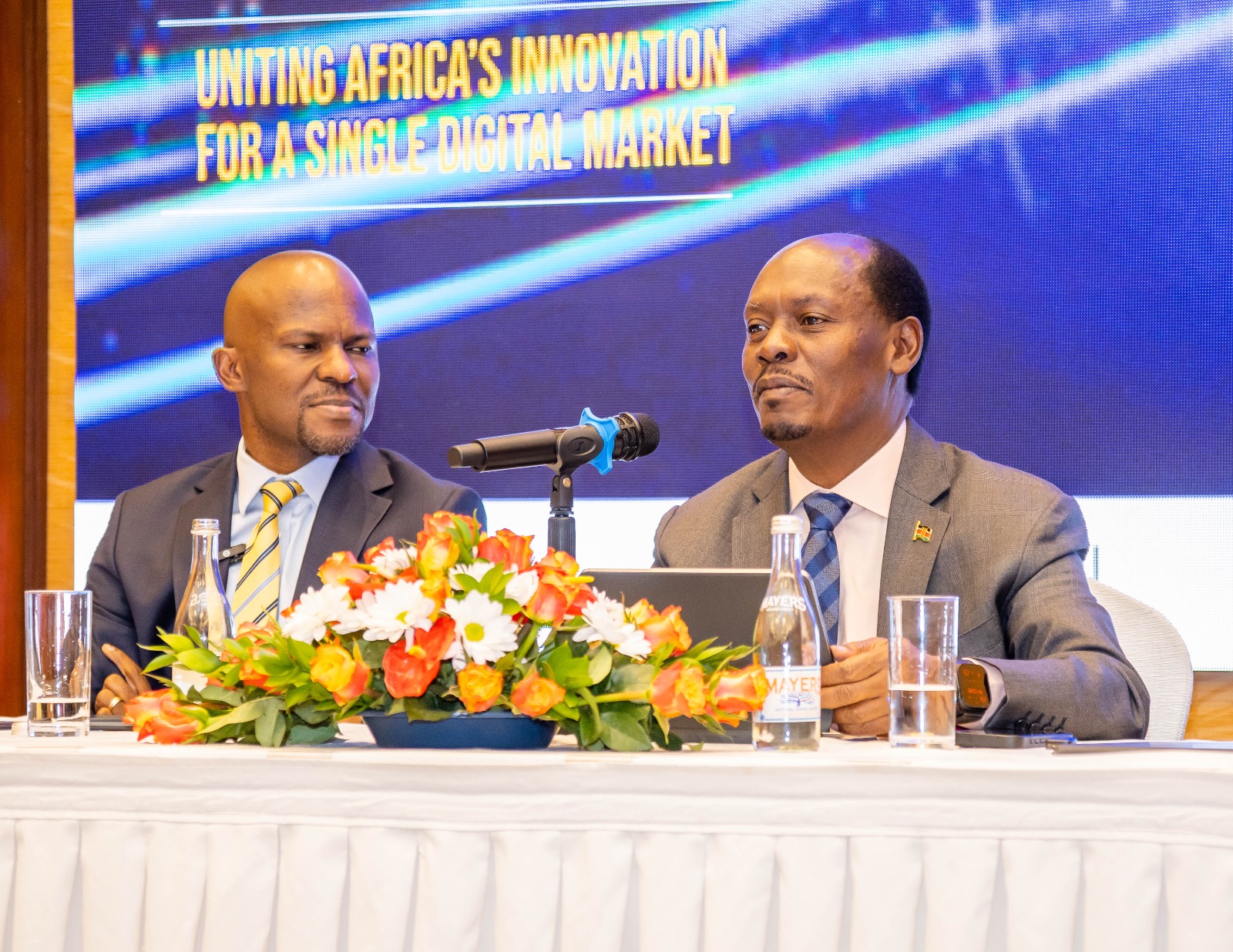
Frankline Okata, Safaricom Chief Enterprise Business Officer (left), and William Kabogo, Cabinet Secretary for Information, Communications and the Digital Economy (right), discuss the shift toward scalable digital solutions during the Connected Africa Summit 2026 press Conference in Nairobi.
Nairobi, Kenya — Africa’s digital landscape is moving from vision to measurable action as top policymakers, innovators, and technology leaders converge in Nairobi for the Connected Africa Summit 2026. Scheduled for April 27–30 at the Edge Convention Centre, the high-level forum is set to be the continent’s most influential digital economy convening of the year.
Organised by the ICT Authority of Kenya, the four-day summit brings together government leaders, the private sector, academia, and development organisations. The goal is clear: to move beyond dialogue and drive the implementation of a unified digital agenda across Africa.
A Strategic Pivot to Measurable Delivery
Speaking at a press briefing, Cabinet Secretary William Kabogo emphasized that the continent is entering an era of results.“This year’s theme, ‘Uniting Africa’s Innovation for an Inclusive Digital Market,’ builds directly on our past progress,” he stated.
The Cabinet Secretary noted that the global digital economy offers immense opportunities for African youth to access skills and investment.
“In 2026, delivery must become measurable so that young people can build enterprises and participate meaningfully in the digital age,” he added.
Breaking Barriers Through Regional Integration
ICT Authority CEO Jessy Maruti highlighted the summit’s massive growth and the urgent need to end siloed development.
“Africa cannot fully unlock its digital potential while operating in fragmented systems,” Maruti noted.
He called for a more integrated infrastructure that ignores geographical borders to foster innovation.
“We must build stronger continental connectivity and harmonized frameworks that allow data to move seamlessly across borders,” he explained.
Scaling Innovation and Private Sector Synergy
Representing the private sector, Safaricom’s Frankline Okata noted a strategic shift in how industry leaders approach the continent’s digital needs.
“Across Africa, the conversation is shifting from ideas to execution moving from pilots to scale,” Okata explained.
He underscored that no single entity can achieve these goals alone without strong public-private partnerships.
“Our collaboration demonstrates what is possible when public and private players work together to deliver better outcomes for citizens,” he added.
Empowering Talent and Future Leaders
Adam Lane of Huawei Kenya underscored that infrastructure is only as effective as the human capital behind it.
“Africa’s digital transformation must be powered by skilled people who can build and manage these systems,” Lane said.
He reaffirmed that the technology giant is doubling down on educational support across the region.
“That is why we remain dedicated to supporting universities and TVET institutions through initiatives like our ICT Competitions,” he added.
A Unified Continental Vision
The summit will culminate in the launch of the Connected Africa Secretariat. Chaired by Kenya, this body will ensure long-term accountability for a unified digital ecosystem alongside ministers from Ethiopia, Malawi, Uganda, Gabon, Guinea, Chad, and Zimbabwe.