UDA Defends Government on Fuel Crisis, Accuses Opposition of Politicisation

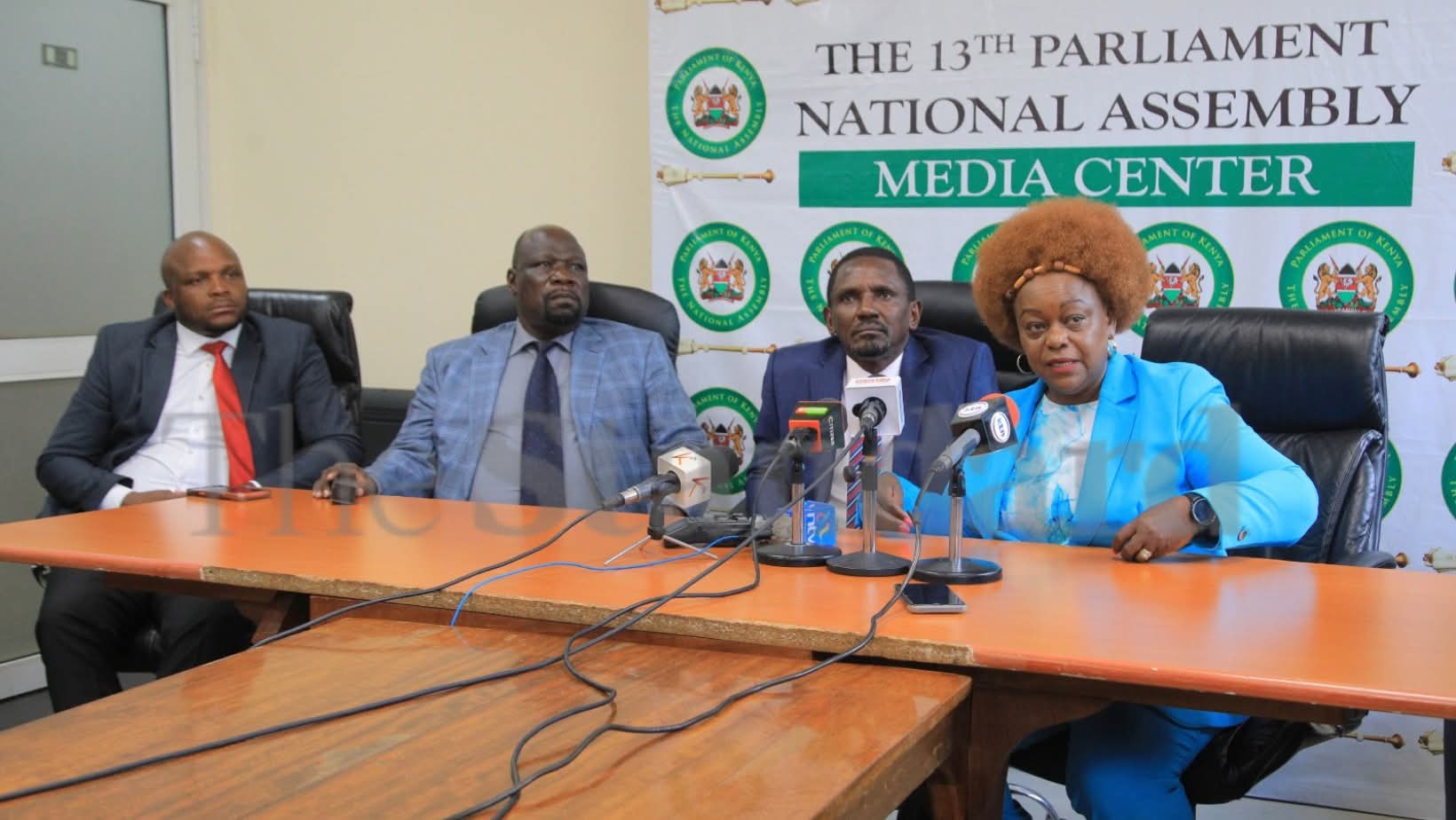
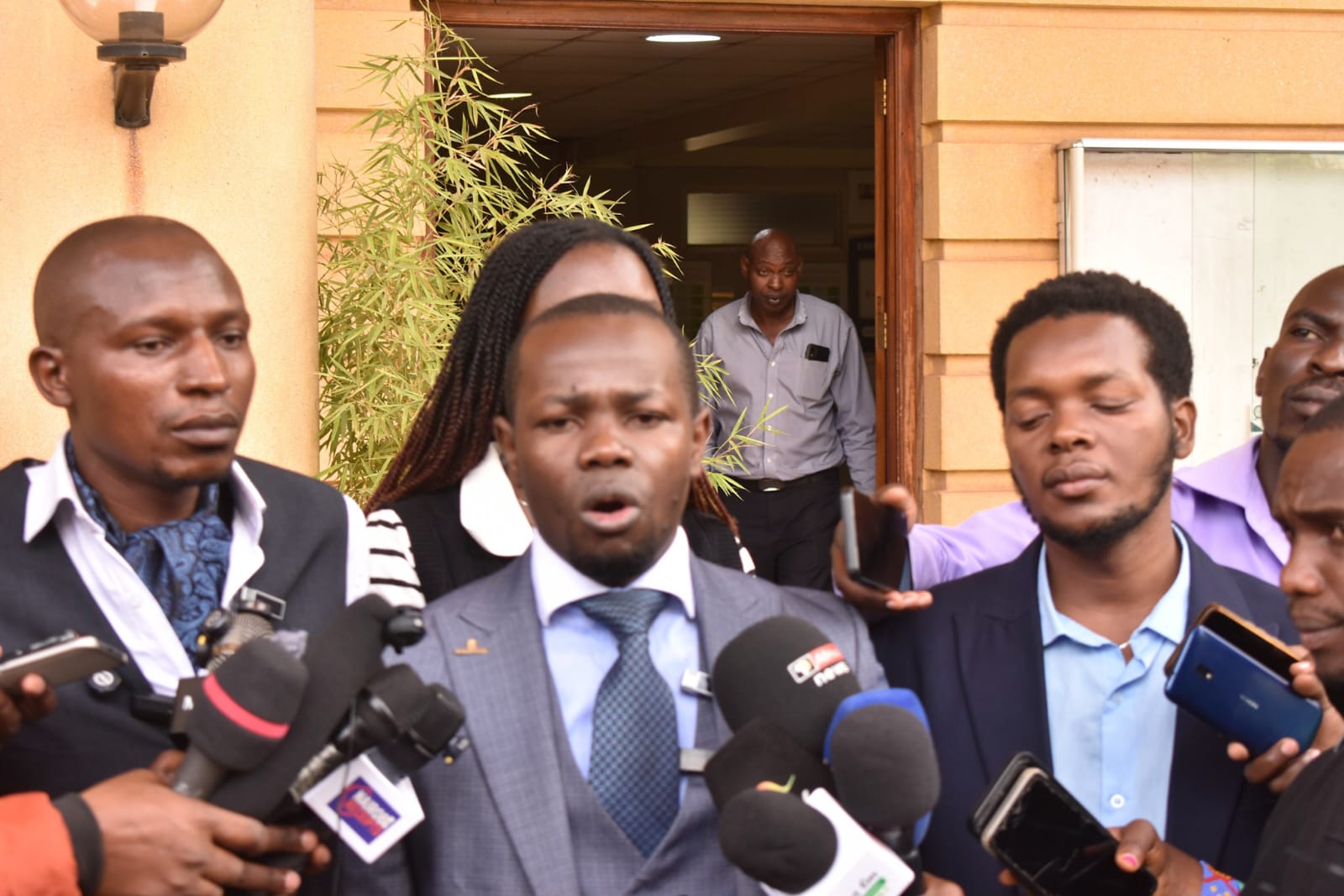
UDA Secretary General Hassan Omar addresses the media in Nairobi on April 16, 2026, defending the government’s response to rising fuel prices and accusing the opposition of politicising the global oil crisis.
NAIROBI, April 16, 2026 — The United Democratic Alliance (UDA) has defended the government’s handling of the ongoing fuel price crisis, attributing the surge in pump prices to global geopolitical disruptions while accusing the opposition of exploiting the situation for political gain.
Speaking during the press briefing, UDA Secretary General Hassan Omar said the Kenya Kwanza administration had taken deliberate measures to cushion consumers against rising fuel costs, dismissing claims that the crisis was driven by domestic policy failures.
“At the outset, I wish to reiterate that the government has been undertaking a concerted effort to cushion Kenyans from the effects of the high prices of imported fuel products,” Omar said, adding that attempts by opposition leaders to politicise the issue reflected “a lack of depth and selfish nature.”
He noted that the government had deployed KSh 6.2 billion from the Petroleum Development Levy (PDL) Fund to stabilise fuel prices. Additionally, the Value Added Tax (VAT) on petroleum products was reduced from 16 percent to 8 percent, a move that has seen pump prices settle at KSh 197.60 for super petrol, KSh 196.63 for diesel and KSh 152.78 for kerosene.
Omar attributed the current fuel price pressures to global market volatility linked to the ongoing conflict in the Middle East, stating that Kenya was experiencing similar challenges as other countries worldwide.
“Petroleum pricing in import-dependent economies like Kenya is largely shaped by international market dynamics, geopolitical tensions and supply chain disruptions beyond domestic policy control,” he said.
The UDA official also defended the government-to-government (G-to-G) fuel import arrangement, saying it had ensured steady supply and reduced pressure on the US dollar. He explained that the framework had eliminated the need for over 100 oil marketing companies to source dollars from the open market, thereby easing exchange rate volatility.
“Effectively, the G-to-G serves to protect the economy from such negative effects and cushion the wider economy,” Omar said.
At the same time, he criticised certain leaders for opposing the arrangement despite previously supporting it. He cited the initial reception of the first G-to-G consignment in April 2023 and the legal approval granted at the time, arguing that current criticism was politically motivated.
UDA Secretary General Hassan Omar condemned fuel importation outside the government-to-government framework as illegal, violating procurement laws, and delivering substandard products. He warned that such unauthorized imports would have driven pump prices up to KSh 236 for petrol and KSh 260 for diesel.
The party further dismissed claims of a looming fuel shortage, maintaining that the country has maintained adequate reserves.
Omar clarified that a delayed shipment linked to disruptions in the Strait of Hormuz had been replaced with alternative cargo at no extra cost, ensuring uninterrupted supply.Addressing calls for mass action by opposition leaders, Omar described the proposals as “outrageous, naive and anachronistic,” arguing that they ignored the global nature of the crisis.
He also defended key government programmes such as the National Infrastructure Fund, Affordable Housing Levy and increased National Social Security Fund (NSSF) contributions, saying they were essential for long-term economic transformation.
“Dismantling such frameworks without presenting viable alternatives signals a lack of commitment to structured development financing,” he said.
Omar expressed confidence in the leadership of Energy Cabinet Secretary Opiyo Wandayi and Investments, Trade and Industry Cabinet Secretary Lee Kinyanjui, urging them to remain steadfast amid criticism.
He concluded by affirming the government’s commitment to mitigating the impact of global oil price shocks and exploring long-term solutions, including regional energy cooperation.
“I am sure that all reasonable measures will be taken, even as we progress, to adjust the interventions,” Omar said.