Africa’s Health Leaders Call for Integrated Digital Systems at Smart Summit 2026
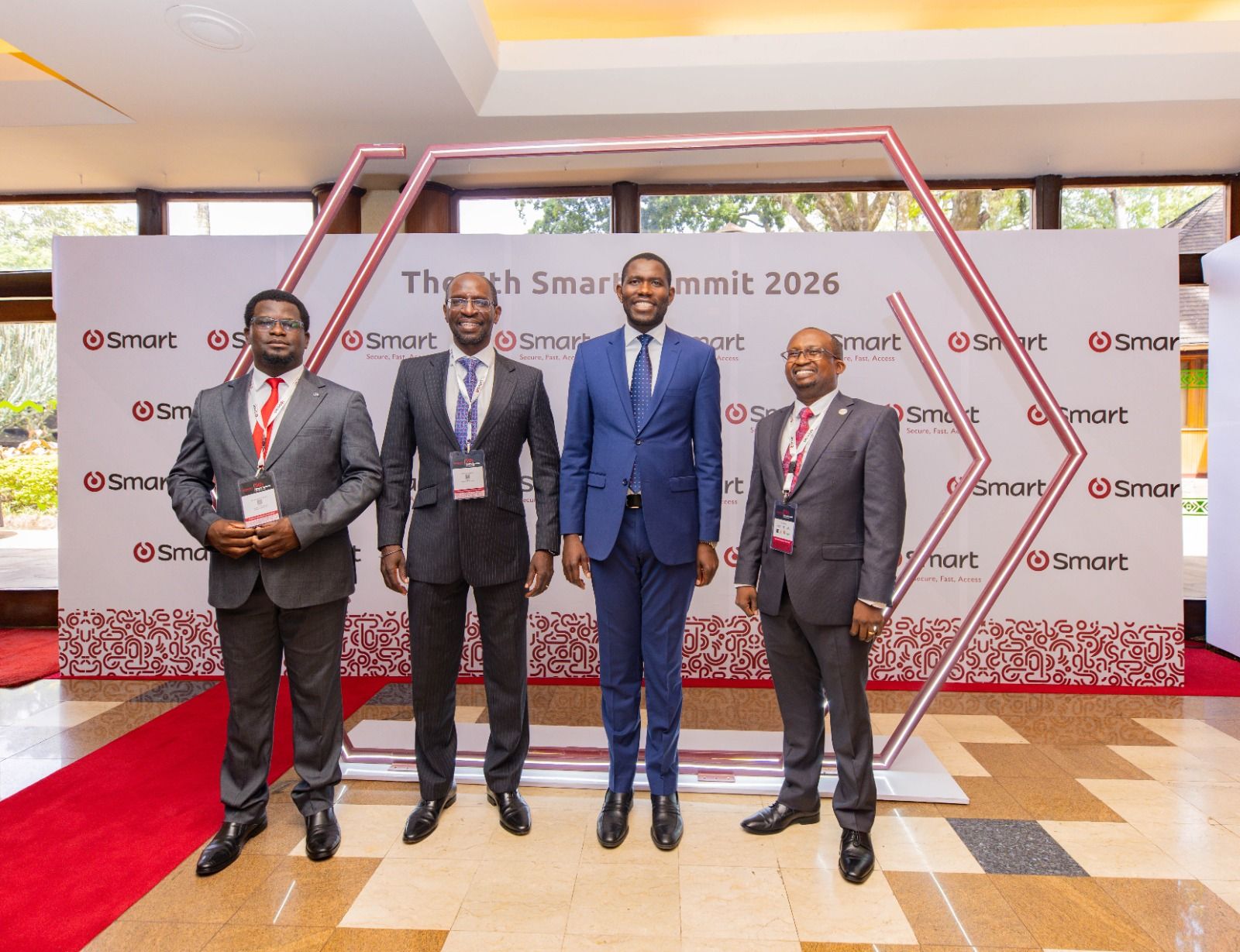
From Left to Right Mr. William Techera, Group Head of Marketing Smart Applications, Andrew Musangi, Board Chairman Smart Applications, Dr. Ouma Oluga PS State Department Medical Services and Mr. Harrison Muiru, Group Managing Director Smart Applications during the 5th Smart Summit 2026 held in Nairobi.
NAIROBI, March 19, 2026 — African healthcare leaders have called for accelerated integration of digital health systems to improve efficiency, accountability, and access to healthcare services, noting that fragmented technologies continue to slow service delivery across many countries.
The call emerged during the Smart Summit 2026 held in Nairobi, bringing together government officials, healthcare providers, insurers, and technology innovators to explore how digital solutions can strengthen healthcare systems and advance Universal Health Coverage (UHC).
Speaking during the summit Principal Secretary for Medical Services Dr. Ouma Oluga said healthcare reforms must prioritize patients while addressing financing challenges that continue to limit access to treatment.
“Healthcare should not be the reason families fall into poverty. Even the smartest technology cannot succeed without strong health financing systems that allow citizens to access care without financial hardship,” Oluga said.
He noted that Kenya has enacted the Digital Health Act and is developing a national health information exchange aimed at improving governance, enhancing accountability, and enabling secure sharing of patient data across institutions.
“Technology is the infrastructure that facilitates transformation, but systems themselves must change. If we do not adapt, we risk failing the patient,” he said.
Oluga added that digital transformation must support broader healthcare reforms designed to link innovation, investment, and service delivery outcomes.
“We must use data as a source of truth so that institutions no longer argue about information but instead focus on solutions that improve healthcare delivery,” he added.
The summit, hosted by Smart Applications International under the theme “Healthcare Technology for a Better World,” focused on transitioning healthcare systems from isolated digital tools toward integrated platforms connecting patients, providers, insurers, and policymakers.
Smart Applications International Group Managing Director Harrison Muiru said healthcare technology must move beyond innovation discussions toward practical implementation that improves dignity and efficiency in patient care.
“Technology is not an end in itself. The goal is dignity in healthcare ensuring patients, clinicians, and families experience seamless, accessible, and accountable services,” Muiru said.
He noted that the company’s digital platforms currently operate across 12 African countries, connecting more than 9,000 healthcare facilities and enabling thousands of daily healthcare interactions through integrated systems.
“The progress made in expanding healthcare access is significant, but access alone is not enough. The next frontier is accountability ensuring healthcare systems deliver measurable outcomes,” he said.
Muiru observed that African healthcare systems face common challenges including workforce shortages, medical inflation, fraud, and inefficiencies in claims management, which interoperable digital systems can help address.
“Our focus is not innovation theatre but sustainable impact through implementation, governance, interoperability, and partnerships that work in real healthcare environments,” he added.
Smart Applications International Board Chairman Andrew Musangi said technology adoption must translate into practical improvements in patient experience and operational efficiency across the healthcare ecosystem.
“A patient journey should not involve endless paperwork or long approval delays. Technology must ensure seamless care delivery while improving transparency and efficiency,” Musangi said.
He noted that integrating healthcare stakeholders into a connected digital ecosystem allows patients, providers, and insurers to operate more efficiently while reducing administrative bottlenecks.
“As long as healthcare remains manual and fragmented, inefficiencies will persist. Digital integration is the pathway to transparency and improved patient outcomes,” he added.
The summit identified priority areas for healthcare transformation including scaling proven digital solutions, strengthening interoperability between health systems, and leveraging data for real-time decision-making. Stakeholders also examined implementation gaps and called for scalable solutions capable of delivering sustainable national and regional impact.
A key highlight of the event was the launch of the Inaugural Smart Summit Excellence Awards aimed at recognizing institutions and leaders advancing innovation, improving healthcare access, and strengthening system efficiency across Africa.
The Smart Summit 2026 underscored that digital integration, strong governance, and accountable systems are essential to improving healthcare across Africa. Leaders emphasized that technology alone cannot drive change; scalable solutions, interoperable platforms, and data driven decision making must be paired with collaboration across the public and private sectors to deliver measurable benefits for patients and strengthen healthcare systems continent wide.