Africa’s First Reparations Festival Opens in Nairobi with Calls for Truth, Justice and Renewal
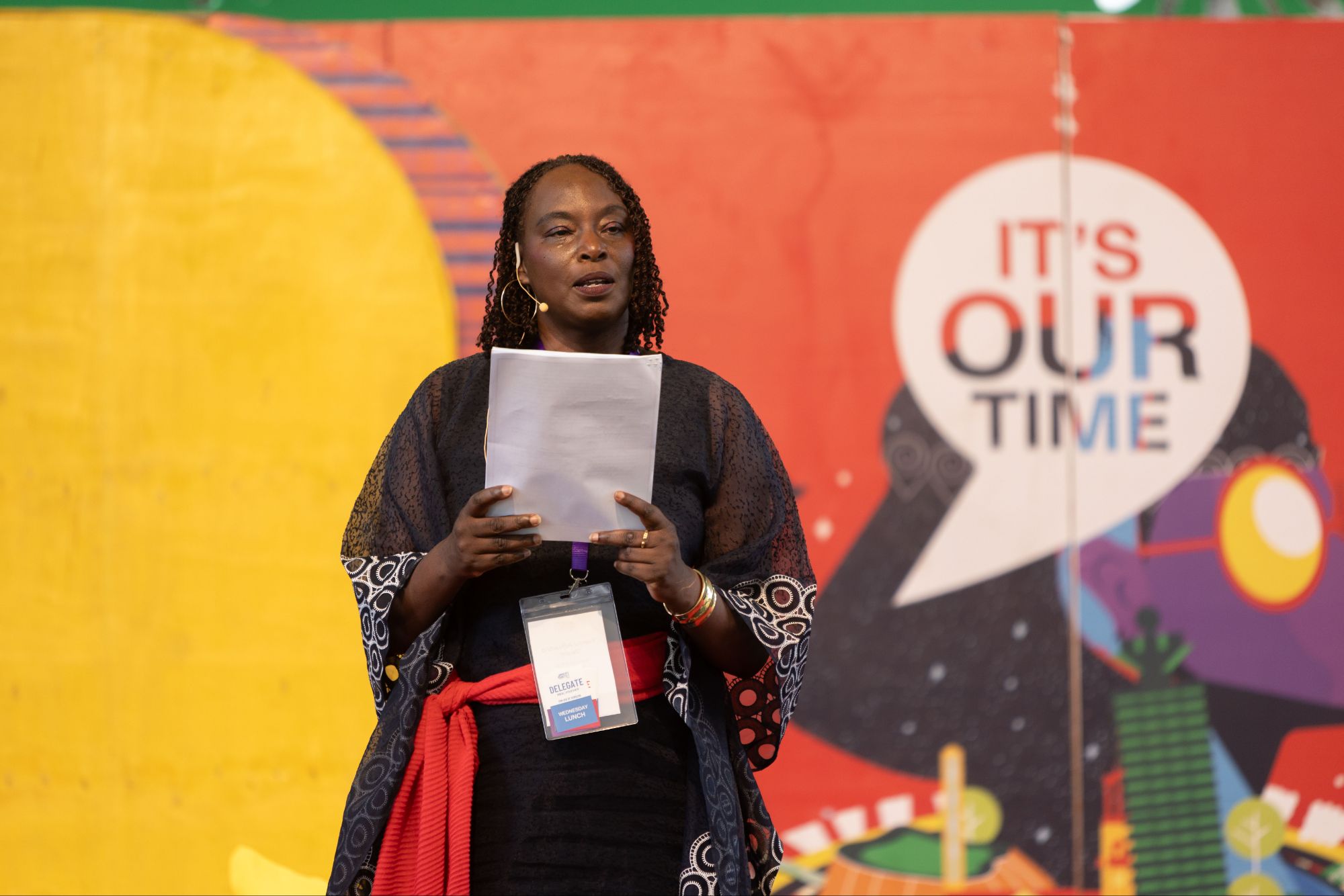
Kenyan author and scholar Yvonne Adhiambo Owuor addresses delegates and members of the media during the opening of the Wakati Wetu Reparations Festival in Nairobi, calling for truth and moral reckoning in Africa’s journey toward reparative justice.
Africa’s first-ever continental reparations festival, Wakati Wetu (Swahili for Our Time), opened in Nairobi on Wednesday, bringing together artists, scholars, and activists to spark a Pan-African conversation on justice, identity, and renewal.
The two-day event, themed “It’s Our Time: To Resist, Repair and Reclaim,” is being held at the Entim Sidai Wellness Sanctuary. It aims to confront the historical injustices of colonialism while reimagining Africa’s collective future through art, scholarship, and activism.
Speaking during the opening ceremony, award-winning author Yvonne Adhiambo Owuor called for an honest reckoning with Africa’s past as the foundation for true healing and transformation.
“Reparations is first an act of moral autopsy and then moral exorcism, there is no repair or healing without walking into, around, and naming the wound in its fullness.” She said.
Adhiambo urged African nations to avoid masking justice with sanitized development rhetoric, saying,
“Why would we want to integrate reparations into development fold justice back into the very economic model that produced injustice?” She stressed that meaningful repair begins with acknowledging truth and confronting painful history.
Veteran lawyer Dr. Paul Muite, who led the Mau Mau reparations case against the British government, emphasized that justice must begin with historical accuracy.
“In order for reparations cases to succeed, the starting point is research accurate records of who was who, who did what, with their names. Justice begins with truth.” He explained.
Dr. Muite reflected on Kenya’s struggle for land and dignity, noting that betrayal of freedom fighters continued long after independence.
“The Mau Mau war broke out because all their efforts to get back their land failed. Britain responded with torture and killings, and yet, even after independence, the betrayal came from those who took over power,” he said, calling for renewed national commitment to historical justice.
Festival convener Dr. Liliane Umubyeyi, Executive Director of the African Futures Lab, said the gathering sought not only to remember the past but to inspire cultural and political renewal across Afstated.
“We are here because justice is both a political and cultural question, our shared creation has the power to renew our understanding of our place in history. The time is truly ours Ni Wakati Wetu!” She staed.
Dr. Umubyeyi added that the current global crises climate change, debt, and inequality are rooted in colonial systems that continue to shape Africa’s position in the world.
“If we want to tackle the challenges of today, we must build institutions and frameworks that do not repeat the injustices of the past,” she said.
Throughout the day, the festival featured vibrant artistic expressions under the theme “Confronting the Silence,” blending music, poetry, and film to complement the intellectual discussions. Performances by Eric Wainaina, DJ Talie, and Koko Koseso celebrated Africa’s resilience, while films like “If Objects Could Speak” explored the continent’s looted heritage.
The festival continues on Thursday with sessions on Tax Justice, Climate Reparations, on Africa’s Vision for the Future.
As the African Union prepares to launch the Decade of Reparations (2026–2036), Wakati Wetu marks a defining moment in Africa’s journey—from pleading for justice to authoring it on its own terms.