
Nairobi Ranked 56th Globally in New Global Attractiveness Index, Shows Economic Potential Despite Infrastructure Gaps
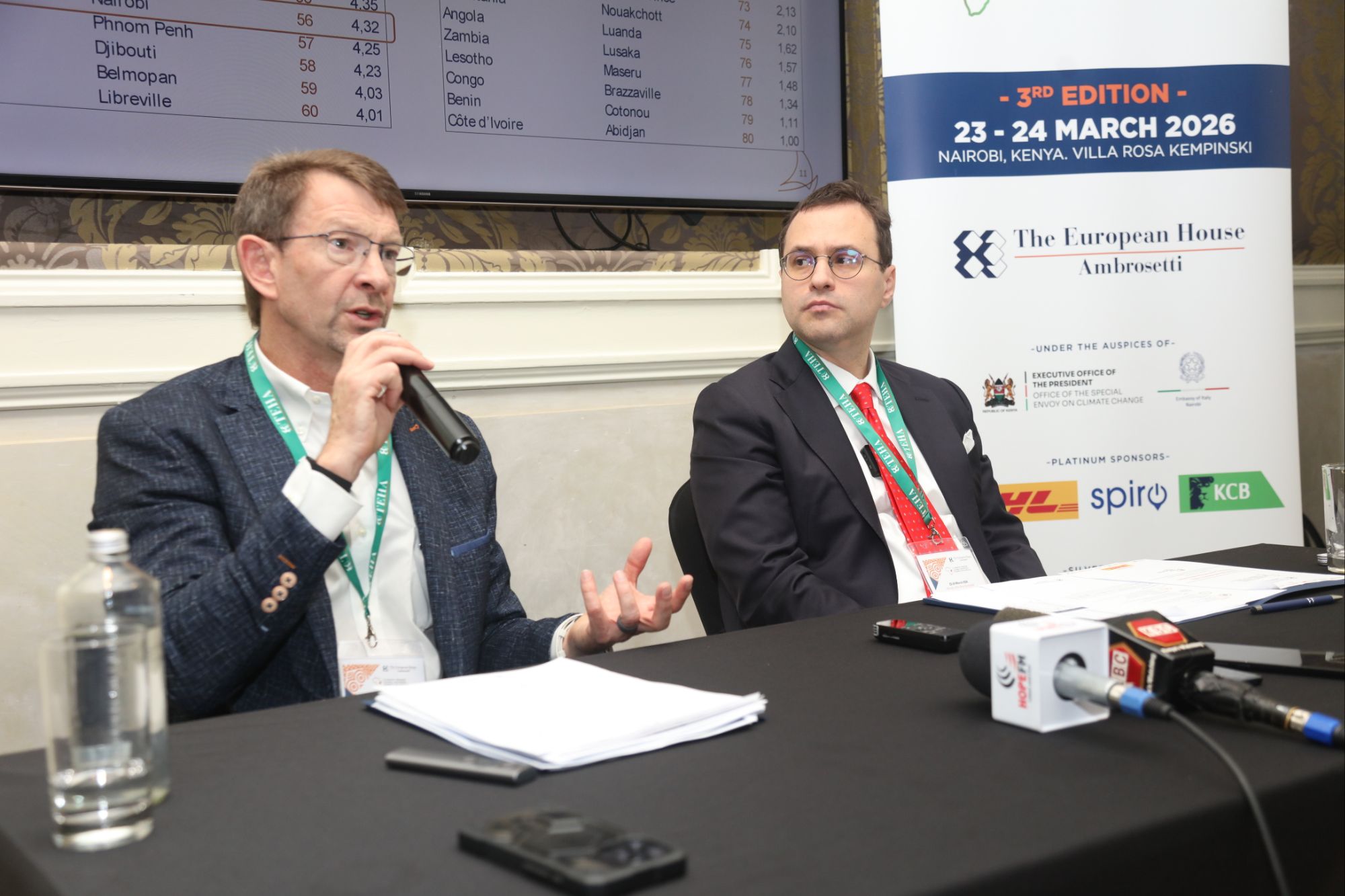
Hennie Heymans, CEO of DHL Express Sub-Saharan Africa (left), and Pietro Maninni, CEO of The European House – Ambrosetti Africa, during the launch of the 2026 Global Attractiveness Index for Emerging and Fast-Growing Cities in Nairobi.
NAIROBI, March 23, 2026 — Nairobi has been ranked 56th globally and sixth in Sub-Saharan Africa in the newly released Global Attractiveness Index (GAI) for Emerging and Fast-Growing Cities, reflecting both the city’s growing economic appeal and persistent structural challenges affecting its competitiveness.
The index, developed by DHL Express Sub-Saharan Africa in partnership with The European House – Ambrosetti, evaluates 80 cities worldwide based on their ability to attract investment, talent and services across four pillars economy, environment, social conditions and urban infrastructure. Nairobi also ranked 11th among African cities in the assessment.
Speaking during the launch of the Global Attractiveness Index in Nairobi, DHL Express Sub-Saharan Africa Chief Executive Officer Hennie Heymans said the report provides an important benchmark for assessing Africa’s urban development and identifying areas requiring targeted reforms.
“For Africa to accelerate its integration into global trade and realise its full economic potential, we must understand where our cities stand, what their unique strengths are, and what barriers must be removed to allow them to develop. The GAI gives us a clear, data-backed roadmap,” said Heymans.
According to the report, Nairobi performed strongly in economic and environmental indicators, ranking 39th globally in the Economic Index and 35th in the Environmental Index. Improvements in air quality and access to basic drinking water were cited among key contributors to the city’s environmental performance.
However, the findings highlight social and infrastructure gaps that continue to limit Nairobi’s overall attractiveness. The city ranked 73rd in the Social Index due to sanitation challenges and a large share of residents living in informal settlements, while it placed 65th in the Urban Infrastructure Index, with digital connectivity and sewerage access identified as priority areas for improvement.
Heymans noted that Africa’s urban future will depend on coordinated investment aimed at strengthening systems that support sustainable growth and competitiveness across cities.
“Africa is not short of ambition or talent. What we need now is coordinated investment, public and private, in the systems that allow cities to scale sustainably,” he said.
Across Africa, the index presents a diverse performance landscape, with several cities emerging as continental leaders across different development dimensions. Johannesburg ranked as Africa’s top-performing city at position 13 globally, supported by strong economic activity and advanced infrastructure networks.
Port Louis ranked 19th globally and second in Sub-Saharan Africa, while Gaborone placed 37th and Praia ranked 41st globally, both recognised for strong environmental governance and effective public-service delivery.
The report indicates that cities improve their attractiveness fastest when they strengthen business fundamentals such as modern digital infrastructure, efficient transport systems, reliable public services and policies that support small and medium-sized enterprises while reducing administrative barriers to investment.
Commenting on the broader implications of the findings, The European House – Ambrosetti Africa Chief Executive Officer Pietro Maninni said the index provides policymakers and investors with a practical framework for guiding reforms and improving urban competitiveness.
“The GAI provides an important evidence base for policymakers, investors and business leaders,” said Maninni.
He added that African cities have significant potential to advance rapidly if reforms focus on inclusive development and modern urban systems that respond to growing population needs.
“With the right reforms, digital acceleration, inclusive housing strategies, green infrastructure and modernised urban services, African cities can shift quickly into higher tiers of global competitiveness,” he said.
The report concludes that Africa’s urban transformation will increasingly depend on how cities balance economic dynamism with social inclusion and sustainable infrastructure development, positioning urban centres such as Nairobi as key drivers of regional integration and global economic participation.