
Senator Crystal Asige Urges Full Enforcement of Kenya’s New Disability Law to End Ableism and Promote Inclusion
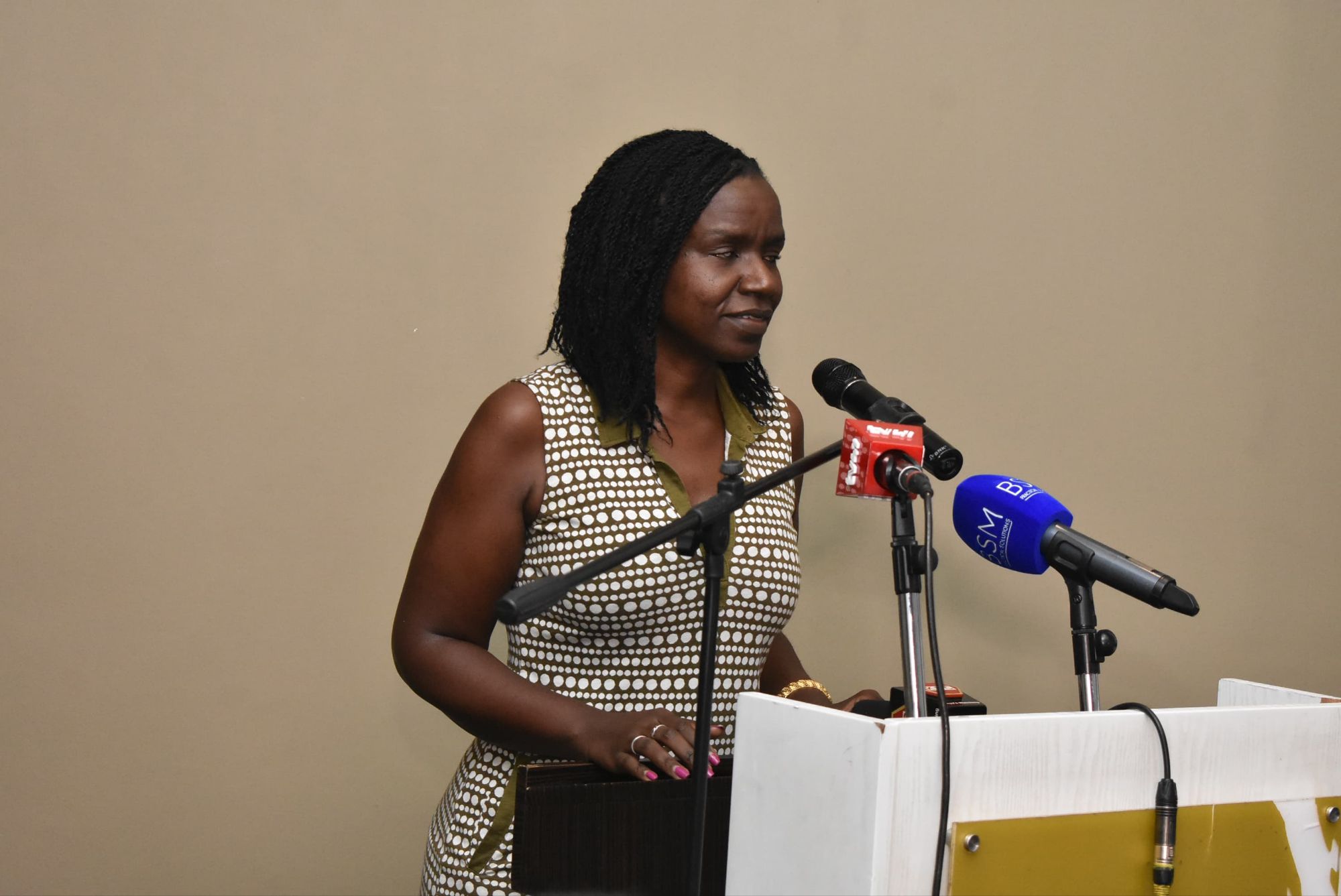
Senator Crystal Asige addressing the media during a breakfast briefing on the implementation of the Persons with Disabilities Act, 2025, in Nairobi.
Senator Crystal Asige has called for the full enforcement of the Persons with Disabilities Act, 2025, urging Kenyans to embrace inclusion and reject ableism as she outlined key reforms that center on the rights and dignity of persons with disabilities.
Speaking during a breakfast meeting with media professionals in Nairobi, the visually impaired senator and founder of the Crystal Asige Foundation described the new law as a social contract that demands a shift from pity to empowerment.
“Disability itself does not discriminate. It is society and systems that do. This Act transforms how government, institutions and communities respond to disability with access, equity and justice,” she said.
Asige, who gradually lost her sight in her youth, said her personal experience inspired her to champion equality through lawmaking, culminating in the passage of the new legislation, which replaces the 2003 framework.
The Persons with Disabilities Act, 2025 introduces wide-ranging provisions on accessibility, inclusive employment, education, and digital access. Among its highlights, at least five percent of government housing projects must now be allocated to persons with disabilities under interest-free terms.
The law also offers tax incentives to employers who hire persons with disabilities and extends the retirement age for such employees from 60 to 65 years to promote fair career progression.
The senator added that for the first time, Kenya’s legal framework now recognizes neurodiverse conditions such as autism, Down syndrome, and cerebral palsy. It further directs the Ministry of Health to train teachers, caregivers, and community health workers on early intervention and sustained care.
“Every time a child with autism or cerebral palsy receives timely therapy, that is a life changed forever. This Act gives that intervention a legal backbone,” she noted.
To strengthen media inclusion, the Act requires all broadcasters to dedicate at least one hour of free airtime each month to disability awareness and to make their content and digital platforms accessible through captioning, alt text, and sign language interpretation.
Asige called on journalists to act as “catalysts for accountability,” translating the law’s provisions into public understanding and institutional action.
“The success of this law depends on how well the public understands it. The media can humanize disability stories, amplify innovation, and change perceptions,” she said.
Additionally, the National Council for Persons with Disabilities (NCPWD) will now have the power to audit institutions, issue enforcement orders, and impose penalties for failure to meet accessibility standards.
The senator also announced plans to advocate for a special national census for persons with disabilities, citing inconsistencies in the 2019 data that showed a decline from 1.3 million in 2009 to 960,692 despite overall population growth.
“Without accurate data, we can’t plan or budget effectively. If we are not counted, we do not count,” she said, urging the government to allocate funds for the exercise to support evidence-based policymaking.
While acknowledging the legislative strides made, Asige stressed that the greatest barrier remains attitudinal dismantling ableism and understanding that inclusion is not a favor but a constitutional obligation.
“Before we build physical ramps, we must first build mental ramps. True change begins with how we see and treat each other,” she emphasized.
Asige pledged to continue working with the media, government, and civil society to ensure the law is implemented effectively.
“This law is not a trophy to be admired but a tool to be applied. Together, we can build a Kenya where every citizen, disabled or not, is seen, heard, and valued,” she concluded.