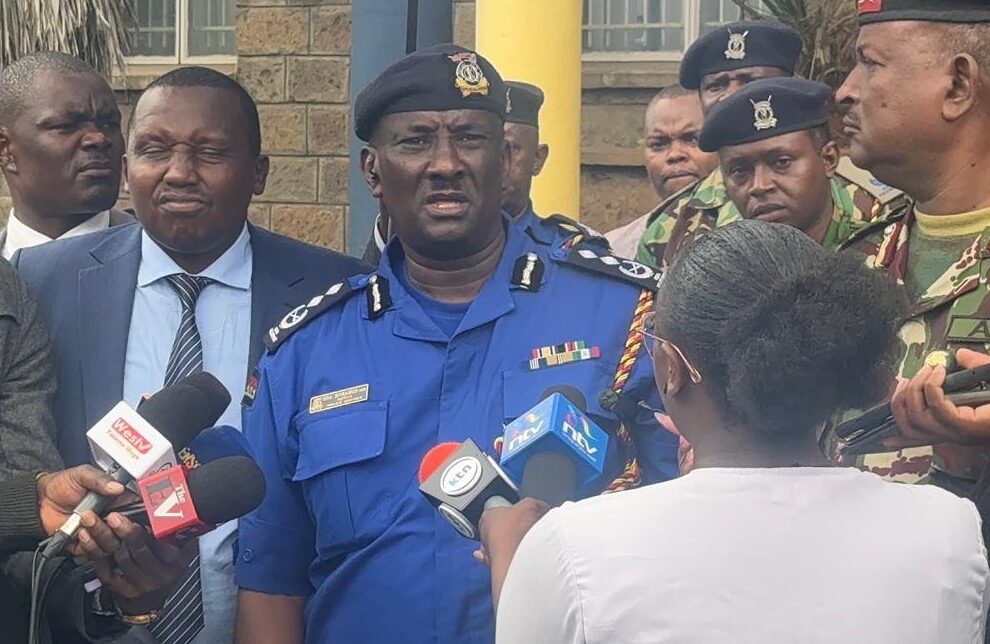
NCIC Pushes for Renewed Talks to End Turkana–West Pokot Clashes
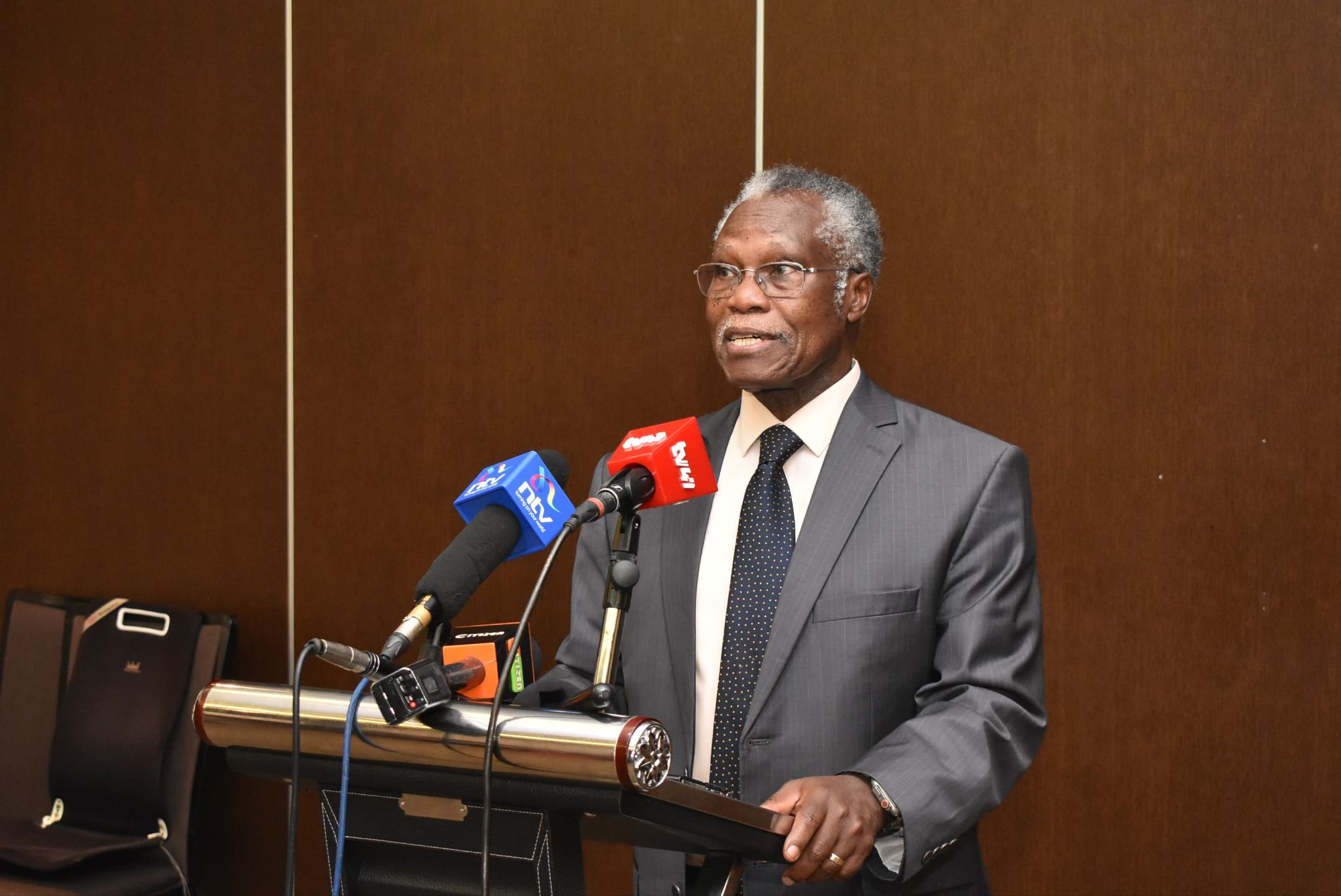
NCIC Chairperson Rev. Dr. Samuel Kobia speaking during a media briefing on peace efforts between Turkana and West Pokot leaders in Nairobi.
The National Cohesion and Integration Commission (NCIC) has called for a renewed and structured dialogue between leaders from Turkana and West Pokot counties to end decades of deadly border conflicts that have slowed development and strained relations between the two communities.
For years, the region has faced recurring cattle rustling, revenge attacks, and competition over water and pasture. These clashes have led to deaths, displacement of families, and disruption of livelihoods despite repeated peace initiatives.
Speaking during a media briefing in Nairobi on Tuesday, NCIC Chairperson Rev. Dr. Samuel Kobia said the Commission had identified several urgent concerns that continue to fuel tension between the two counties.
“The first issue is the rising intercommunal conflict between Turkana and West Pokot. We are also seeing increased hate messages on social media, a surge in small arms, and conflict over gold and other natural resources along the border,” he said.
Dr. Kobia noted that Turkana leaders had raised alarm over illegal mining in areas such as Kankuk and Lami-Nyeusi. They alleged that certain investors were being shielded by powerful individuals within government.
“They expressed concern that this protection of illegal miners has deepened mistrust between the two communities,” he explained.
It was against this backdrop that the Commission convened a meeting of 12 elected leaders drawn from the National Assembly, Senate, and the county governments of Turkana and West Pokot on November 10, 2025. The discussions focused on the ongoing border conflict and the need for a lasting peace framework.
“Unfortunately, the planned joint meeting could not take place because only one representative from West Pokot attended,” he said.
During Monday’s session, the Turkana delegation led by Governor Jeremiah Lomorukai, the Senator, and Members of Parliament outlined ten major challenges driving the unrest. Among them were insecurity, political incitement, overlapping administrative boundaries, and selective disarmament.
“They told us that in some areas two chiefs have been appointed to one location, creating confusion and rivalry among residents,” Dr. Kobia said.
The leaders also lamented delayed and reactive security responses, saying slow interventions often allow attackers to escape and violence to spread.
“They urged security agencies to respond swiftly and fairly to incidents affecting both sides,” he noted.
On disarmament, the Turkana leaders demanded equal enforcement of the law, arguing that previous operations were selective.
“They want a balanced approach where all armed groups surrender illegal firearms at the same time,” he added.
Dr. Kobia said the delegation also raised the issue of historical injustices and unaddressed grievances that continue to fuel resentment. They noted that while other regions have received government reparations after mass killings, the northern frontier has long been overlooked.
“They feel this exclusion has entrenched marginalisation and weakened confidence in national institutions,” he stated.
Only Sigor MP Hon. Peter Lokachapong from West Pokot attended both sittings. However, the Commission praised Turkana leaders for their cooperation and commitment to dialogue.
“We appreciate the goodwill and constructive engagement shown by the Turkana leadership throughout the process,” Dr. Kobia said.
He affirmed that NCIC would continue engaging both counties to promote inclusion and joint responsibility in peacebuilding. The Commission plans to first meet West Pokot leaders to understand their absence before organising another joint session.
“We remain committed to working with community elders, security agencies, and the Ministry of Interior to secure lasting peace along the Turkana–West Pokot border,” he said.
Dr. Kobia assured residents that the Commission would not relent until both sides embrace peaceful coexistence and dialogue as the primary path to resolving differences.
“Our goal is to rebuild trust and ensure that every citizen enjoys safety and development without fear,” he said.