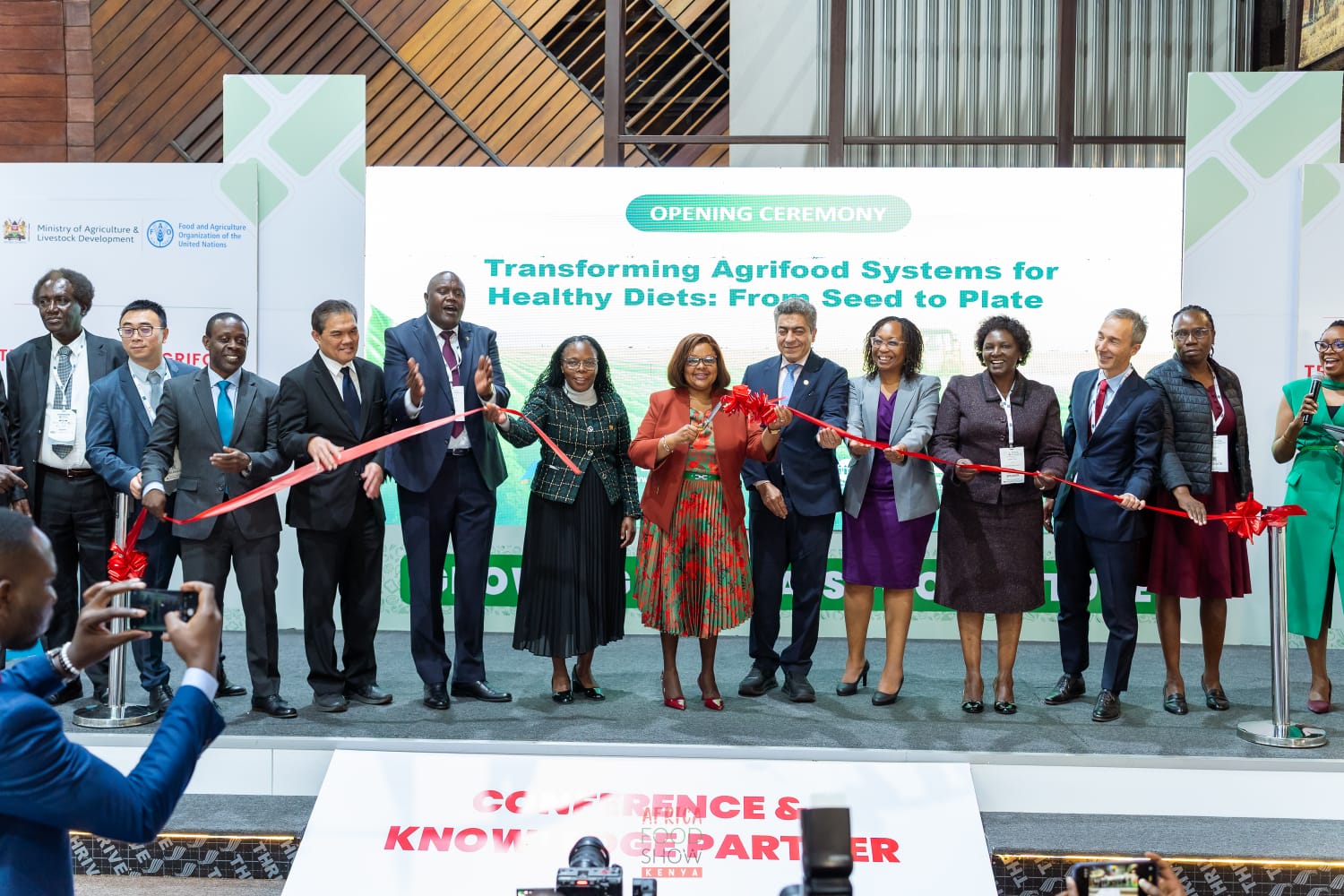


Photo Caption:EAC stakeholders follow proceedings during a public hearing on the East African Community Seed and Plant Varieties Bill, 2025, in Nairobi.
NAIROBI, August 28, 2026 — Civil society organisations and seed sector stakeholders have called for an inclusive approach in the proposed East African Community Seed and Plant Varieties Bill, 2025, saying the legislation should recognise both formal and farmer-managed seed systems.
The stakeholders made the remarks Friday during a public hearing on the Bill in Nairobi, organised as part of consultations being conducted across East African Community (EAC) Partner States.
The proposed legislation seeks to coordinate the evaluation, release and registration of plant varieties among Partner States, establish common processes for seed certification and provide for protection of plant varieties within the region. It also provides for seed testing and marketing, as well as the protection of breeders’ rights.
Speaking during the hearing, Biodiversity and Biosafety Association of Kenya (BIBA Kenya) representative Anne Maina said civil society organisations had prepared submissions to the East African Legislative Assembly (EALA), calling for greater recognition of farmer-managed seed systems.
“We want the Bill to embrace farmer-managed seed systems and avoid creating a restrictive environment for farmers, including the challenges associated with the UPOV 1991 framework,” said Maina.
She said the submissions had been developed jointly by BIBA Kenya, Seed Savers Network, the Kenyan Peasants League and other organisations, with stakeholders seeking recognition of community seed banks, seed learning centres and indigenous and farmer varieties.
Maina said such recognition would help strengthen farmers’ ability to conserve and access diverse seed varieties while contributing to sustainable food systems in the region.
The Bill currently provides for national plant variety release committees responsible for evaluating and registering new and existing plant varieties.
It also requires certain categories of seed to undergo certification by national seed authorities before being produced, imported or exported within the Community.
Seed Trade Association of Kenya (STAK) Executive Officer Joyce Karanja said the seed sector was keen to see a system that balanced the interests of farmers and seed companies.
“Our main purpose is to see how we can develop an inclusive seed system that takes care of both farmers and seed companies,” Karanja said.
She said the goal should be to promote food security by ensuring farmers had access to quality seed varieties while allowing different stakeholders to contribute their views to the development of the regional framework.
Seed Savers Network Advocacy and Communications Officer Tabby Munyiri said the proposed law should not focus exclusively on the commercial seed system, noting that farmers also depend on indigenous and locally managed varieties.
“The Bill in its current form is very focused on the commercial seed system, particularly certification and variety release, but it does not adequately recognise farmer-managed seed systems and indigenous seeds,” said Munyiri.
She said farmers should have the freedom to choose between certified seed and traditional or indigenous varieties, arguing that the latter could contribute to climate resilience and biodiversity conservation.
Munyiri said consultations were also taking place in other EAC Partner States, including Rwanda, Tanzania, Uganda, Somalia and Burundi, with stakeholders pushing for farmer-managed seed systems to be incorporated into the regional legislation.
The Bill proposes a Community Seed and Plant Variety Committee comprising heads of national seed authorities or their representatives from Partner States.
The committee would oversee issues including seed testing standards, certification procedures and approval of plant varieties for inclusion in the Community Plant Variety Catalogue.
Munyiri said bringing together formal and farmer-managed seed systems would provide farmers with wider choices while supporting biodiversity conservation and more sustainable food production across the region.
The stakeholders said they would continue engaging EALA and other relevant authorities to ensure their submissions are considered before the Bill progresses through the legislative process.