

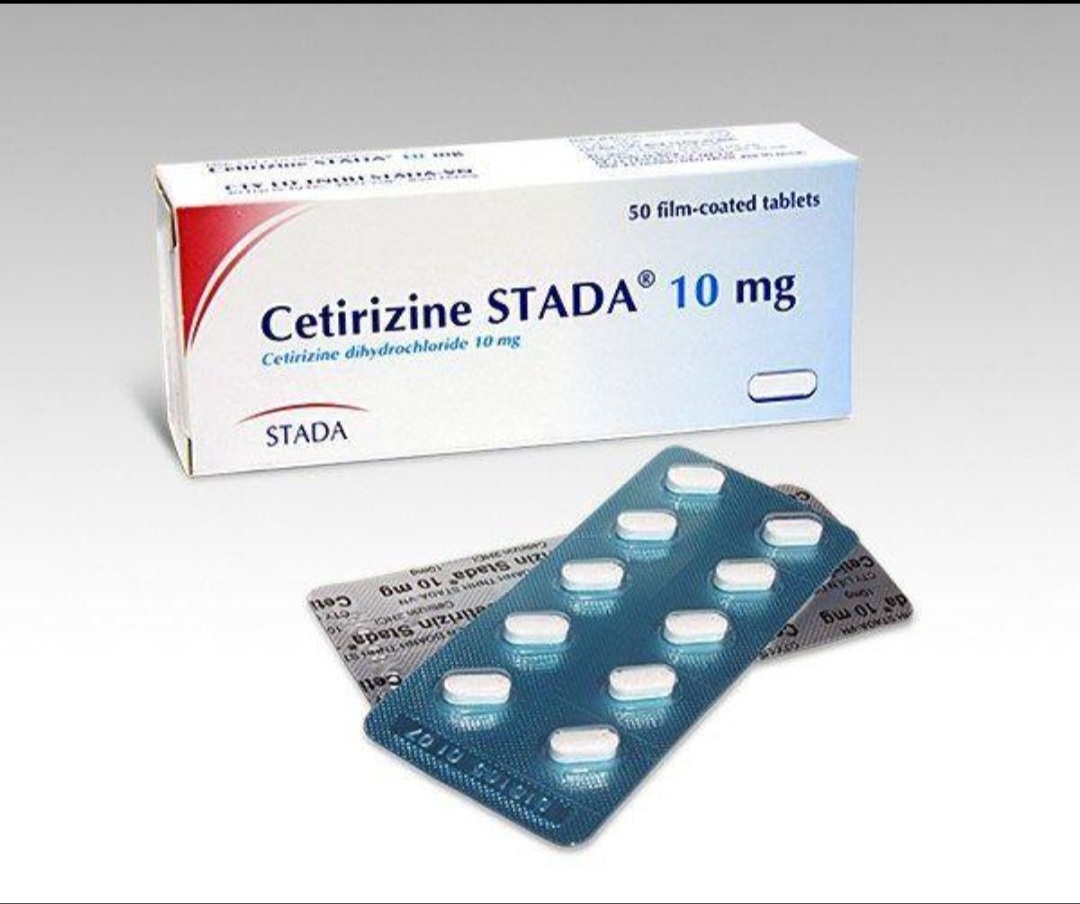
Photo caption: Cetirizine antihistamine tablets, a medication used to treat allergic conditions, have become the subject of concern following a viral social media trend promoting their misuse.
By Joe Aura
A social media trend linking cetirizine to vaginal tightness has prompted health warnings in Kenya after some women reportedly began using the allergy medication for purposes it was never designed for.
Cetirizine is a common antihistamine used to treat allergies such as sneezing, itchy eyes, runny noses and hives. However, it has recently become the subject of online discussions after claims emerged that its drying effects could reduce vaginal lubrication and create a feeling of tightness during sex.
Some social media users have reportedly gone further by encouraging women to insert the tablets directly into the vagina.
The trend has raised concerns about how easily online conversations can influence decisions about personal health.
The claims appear to be based on cetirizine’s known side effects. Some users experience dry mouth after taking the medication. This has fuelled speculation that it could also reduce moisture in other parts of the body.
However vaginal dryness and vaginal tightness are not the same thing.
The vagina is an elastic muscular canal. Natural lubrication helps protect its tissues and reduces friction during intercourse. Reducing moisture does not strengthen vaginal muscles or improve elasticity. Instead it can cause discomfort and painful intercourse.
Medical professionals have warned against inserting oral cetirizine tablets into the vaginal canal. The tablets are designed to be swallowed and have not been tested or approved for vaginal use.
Gynaecologist Dr Jen Gunter has also cautioned against inserting oral antihistamines into the vagina. The practice could cause irritation and small tears in the vaginal lining. These injuries may make sex painful and increase vulnerability to infections.
On November 4 Principal Secretary for Medical Services Dr Ouma Oluga addressed the trend during a High-Level Health Products and Technologies Stakeholder Meeting in Nairobi.
Oluga warned that jokes and online discussions about medicines could encourage people to misuse pharmaceutical products without understanding the risks.
“I saw people discussing this medicine in a manner that is like a joke but this also influences some sections of the public to misuse products and medicine,” he said.
The warning is a reminder that not every viral health tip deserves a try. Medication should be used for its intended purpose and under appropriate medical guidance.
When it comes to intimate health, a social media trend is no substitute for professional advice.