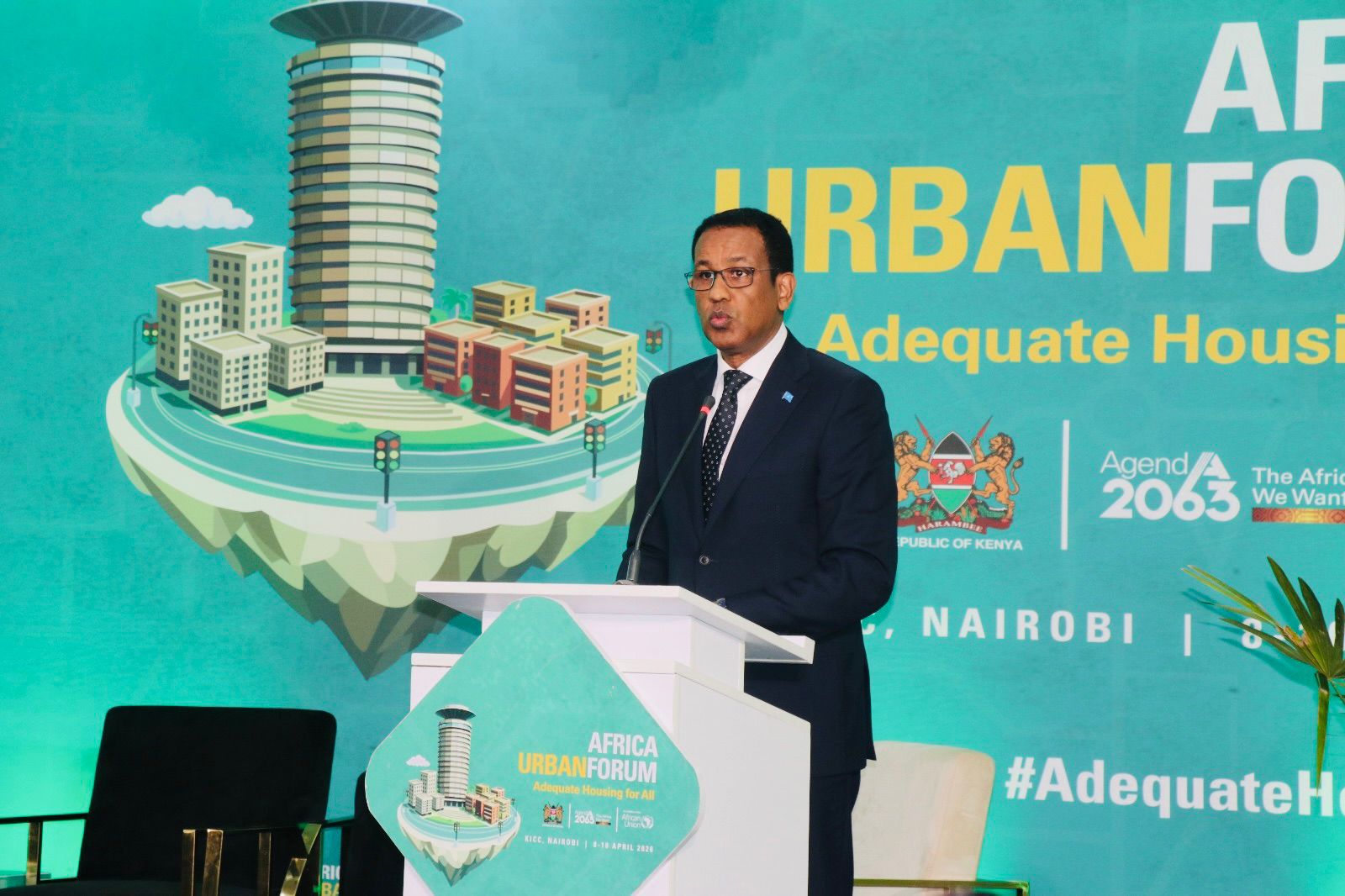
Kenya Hosts 2nd Africa Urban Forum: Leaders Push for ‘Courageous’ Action on Rapid Urbanisation
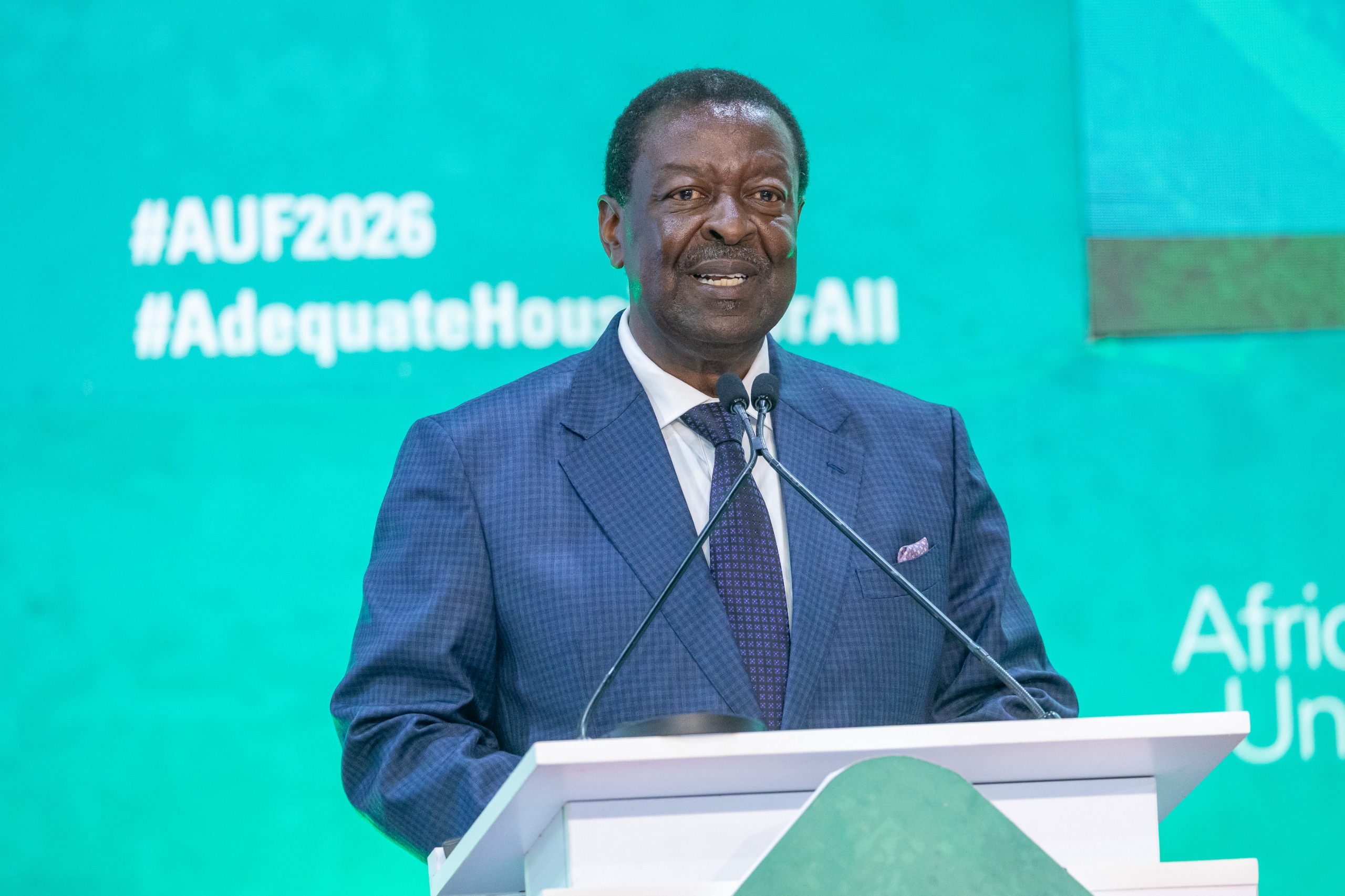
Prime Cabinet Secretary Musalia Mudavadi addresses delegates at the opening of the Second Africa Urban Forum (AUF2) at KICC in Nairobi, April 8, 2026.
NAIROBI, April 8, 2026 — Kenya has reaffirmed its commitment to sustainable urban development as top government officials and international delegates gathered in Nairobi for the Second African Urban Forum (AUF2). The high-level summit aims to transform the continent’s rapid urban growth into a structured economic engine ahead of the upcoming World Urban Forum in Azerbaijan.
The forum has brought together a powerful coalition of African housing ministers, governors, development partners, and private sector stakeholders. Their primary focus is to deliberate on infrastructure financing, climate resilience, and inclusive growth for a continent facing an unprecedented demographic shift.
Africa’s Urban Population to Hit 1.4 Billion by 2050
Opening the forum, Prime Cabinet Secretary Musalia Mudavadi delivered a stark warning regarding the pace of change. With Africa’s urban population projected to double from 700 million to 1.4 billion by 2050, Mudavadi emphasized that planning is no longer an option.
“The central question before us is not whether Africa will urbanize, but whether this process will be guided with intention, foresight, and discipline.” Mudavadi stated.
He warned that failure to address housing shortages and the expansion of informal settlements it would worsen inequality and undermine sustainable urban development.
Housing as a Catalyst for Economic Growth
Mudavadi reframed the urbanization challenge as Africa’s most significant pathway to economic transformation. He argued that well-financed cities drive industrialization and massive job creation.
“A strategic approach to urbanization offers Africa its most important pathway to transformation . When we invest in housing, we do not simply provide shelter. We stimulate industries, generate employment, and anchor communities.” He added.
Innovative Financing and “Courageous Choices”
Addressing the fiscal gap, the Prime Cabinet Secretary called for innovative financing solutions, noting that traditional taxation has reached its limit. He defended Kenya’s Affordable Housing Programme despite recent court petitions and public debate.
“The amount of resources needed can only be achieved through innovative financing and bold decisions sometimes unpopular, but necessary for long-term progress . Unless we make courageous choices now, the alternative is worse.” Mudavadi said.
Shifting from Policy Dialogue to Implementation
Cabinet Secretary for Lands and Housing, Alice Wahome, who hosted the forum on behalf of the Kenyan Government, described the gathering as a pivotal moment for continental policy.
“It is a great honor for Kenya to host this important gathering at a time when urbanization is rapidly shaping the future of our continent .The decisions we make and the partnerships we build here will determine whether our cities become engines of inclusion or shared prosperity”. Said Wahome.
Wahome challenged delegates to ensure the forum results in tangible outcomes rather than just theoretical debate.
“The Africa Urban Forum provides us with a platform not only to reflect but to act to move from dialogue to delivery and implementation . We must ensure our urban centers evolve into livable, sustainable economic hubs that strengthen our collective stability.” Wahome emphasized.
Key Takeaways and Future Outlook
The two-day Nairobi forum is expected to generate a series of “bankable” policy recommendations. These will serve as Africa’s unified voice on urban resilience during the global discussions at the World Urban Forum in Azerbaijan later this year.