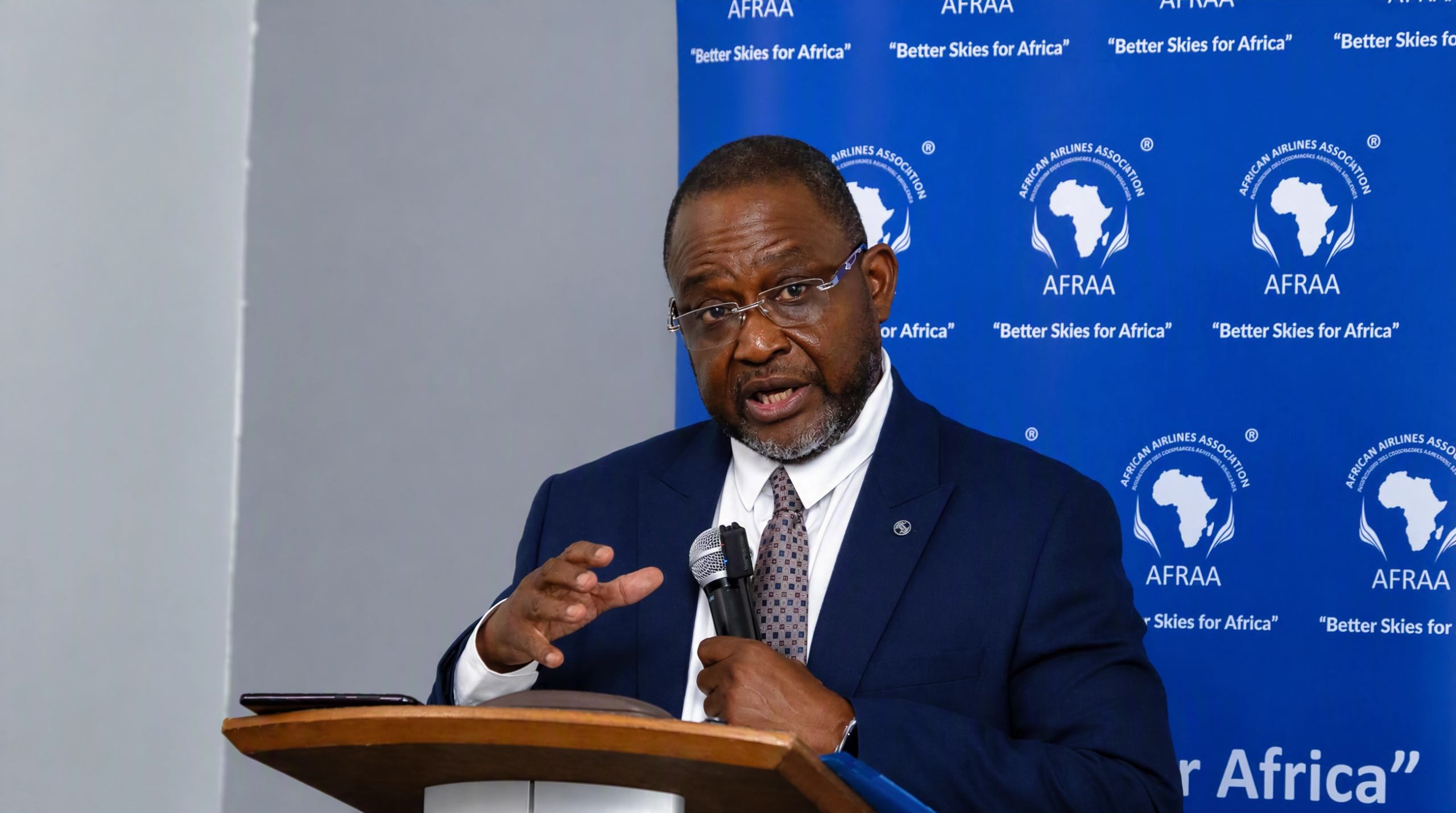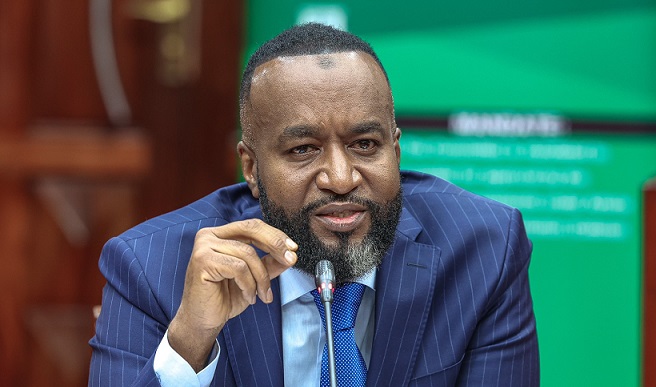


Delegates from African anti-corruption agencies pose for a group photo during the 8th AAACA Annual General Assembly and the launch of the Centre for Anti-Corruption Studies and Research in Africa (CEREAC) at the Central Bank of Kenya Institute of Monetary Studies, Nairobi, on June 17, 2026 .
African anti-corruption agencies have been urged to strengthen cross-border cooperation, embrace technological innovation and invest in research-driven solutions to combat increasingly sophisticated corruption networks operating across the continent.
Speaking during the opening of the 8th Annual General Assembly of the Association of African Anti-Corruption Authorities (AAACA) in Nairobi, Attorney General Dorcas Oduor delivered a speech on behalf of President William Ruto, who emphasized that corruption remains one of the greatest obstacles to Africa’s economic transformation, democratic governance and sustainable development.
The assembly also marked the official launch of the Centre for Anti-Corruption Studies and Research in Africa (CEREAC), a continental institution that will be hosted in Nairobi and serve as AAACA’s research and knowledge hub.
President Ruto noted that while Africa is experiencing unprecedented opportunities driven by technological advancement, regional integration and the African Continental Free Trade Area (AfCFTA), corruption continues to undermine development gains by weakening institutions, deterring investment and diverting public resources from critical services.
“Corruption today is no longer a localized or isolated phenomenon. It has become increasingly sophisticated, technologically enabled and transnational in character,” Ruto said.
He observed that proceeds of corruption are increasingly concealed through complex financial arrangements, shell companies, beneficial ownership structures, digital assets and emerging technologies, making collaboration among anti-corruption agencies more critical than ever.
According to the President, Africa continues to lose hundreds of billions of dollars annually through corruption, illicit financial flows, tax evasion and procurement fraud, resources that should be financing schools, hospitals, roads, water systems and employment opportunities for young people.
“The fight against corruption is therefore not merely a legal or institutional undertaking. It is fundamentally a development imperative,” he stated.
Ruto highlighted Kenya’s efforts to strengthen its anti-corruption framework through a coordinated multi-agency approach involving investigative, prosecutorial, judicial, financial and regulatory institutions.
He cited recent legislative reforms, including the Conflict of Interest Act and the Virtual Asset Service Providers Act, as part of Kenya’s strategy to address emerging corruption risks associated with digital finance and virtual assets.
Ruto further underscored the role of technology in enhancing accountability, noting that tools such as artificial intelligence, data analytics, integrated financial management systems, digital registries and blockchain technologies can significantly improve corruption detection and prevention.
“Technology alone, however, is not enough. We must combine innovation with ethical leadership, institutional integrity and an unwavering commitment to the rule of law,” he said.
Earlier, Ethics and Anti-Corruption Commission (EACC) Chairperson Dr. David Oginde called for a strategic rethink in Africa’s anti-corruption efforts, saying traditional approaches must evolve to keep pace with increasingly sophisticated criminal networks.
Dr. Oginde identified three priority pillars for effective anti-corruption interventions: strengthening regional and continental cooperation, enhancing institutional capacity through innovation, and promoting Africa-centred anti-corruption research.
“The corrupt individuals of today do not respect national borders. They move illicit funds across jurisdictions with the click of a button,” he said.
“If the corrupt can cooperate across borders so seamlessly, our anti-corruption agencies must associate and cooperate even faster.”
He urged African states to strengthen frameworks for asset tracing, intelligence sharing and mutual legal assistance while leveraging emerging technologies such as artificial intelligence and blockchain to improve investigations and information exchange.
Dr. Oginde also emphasized the need for home-grown solutions to address corruption on the continent, arguing that imported approaches may not adequately respond to Africa’s governance realities.
“We need Africa-tailored strategies and African solutions. We need to develop African metrics and indicators to assess the perception and extent of corruption in Africa,” he said.
The EACC chairperson described the establishment of CEREAC as a major milestone that will help generate evidence-based policies and interventions by examining the root causes and drivers of corruption across Africa.
EACC Secretary and Chief Executive Officer Abdi Mohamud said the annual assembly comes at a time when corruption continues to undermine economic growth, weaken public institutions and erode public trust.
“The fight against corruption is no longer merely a national concern; it is a continental and global imperative,” Mohamud said.
He noted that the assembly would focus on strengthening cross-border cooperation through mutual legal assistance, information sharing, joint investigations and enhanced coordination among regional anti-corruption networks.
Mohamud added that delegates would also deliberate on emerging challenges arising from digital financial systems, virtual assets and complex corporate structures that are increasingly being used to conceal illicit wealth.
He said citizens now expect anti-corruption agencies to demonstrate tangible results through the tracing, freezing, confiscation and recovery of proceeds of corruption.
On the launch of CEREAC, Mohamud said the centre represents the culmination of a four-year process initiated by AAACA members in 2022 and will serve as the association’s research and analytical arm.
“Endowed with legal personality and administrative and financial autonomy, the Centre represents a major step forward in strengthening evidence-based anti-corruption policy, research, capacity building and knowledge sharing across the continent,” he said.
Delegates attending the assembly include heads of anti-corruption agencies, policymakers, development partners and governance experts from across Africa.
The forum is expected to adopt resolutions aimed at strengthening cooperation among anti-corruption institutions, improving asset recovery mechanisms and enhancing collective efforts to combat corruption and illicit financial flows across the continent.