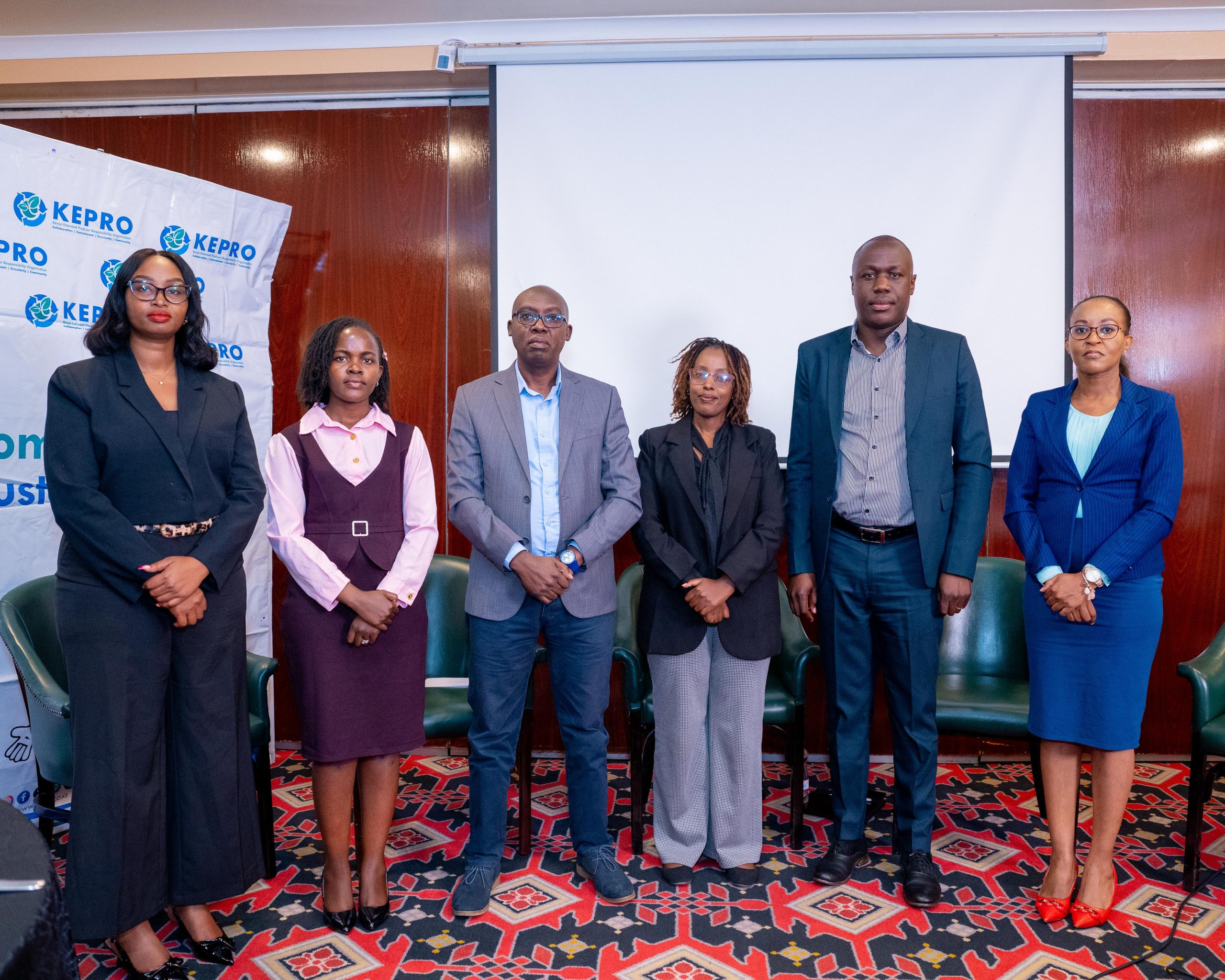


Principal Secretary for Forestry Gitonga Mugambi addresses participants during the Donor Round Table Breakfast Forum on Forestry Improvement in Kenya in Nairobi on July 22, 2026.
NAIROBI, July 22, 2026 — The Government has intensified efforts to mobilise development partners and the private sector to finance multi-billion shilling forestry restoration projects aimed at tackling climate change, restoring degraded landscapes and creating green jobs across the country.
Speaking during a Donor Round Table Breakfast Forum on Forestry Improvement in Kenya in Nairobi on Wednesday, Principal Secretary for Forestry Gitonga Mugambi said the Government was seeking strategic partnerships to accelerate restoration of drylands, mangrove ecosystems and commercial agroforestry in line with the Bottom-Up Economic Transformation Agenda (BETA).
“The success of this restoration agenda cannot be achieved by Government alone. It requires a whole-of-society approach founded on partnerships, collaboration, innovation and shared responsibility. Today’s meeting is an opportunity to mobilise resources and build strategic alliances that will accelerate restoration efforts in Kenya’s drylands and coastal ecosystems,” said Mugambi.
Mugambi said Kenya’s Arid and Semi-Arid Lands (ASALs), which cover about 89 per cent of the country’s landmass, remain critical to livelihoods, biodiversity conservation and economic growth but continue to face threats from land degradation, deforestation, invasive species, recurrent droughts and climate change.
He noted that the National Landscape and Ecosystem Restoration Strategy (2023–2032) seeks to restore 10.6 million hectares of degraded land while contributing to the country’s target of attaining 30 per cent tree cover by 2032 through investments that create jobs, improve food security and strengthen community resilience.
The PS said priority investment areas include climate-smart agroforestry and green value chain development, management and utilisation of invasive prosopis species, integrated mangrove restoration and climate-resilient dryland landscape restoration.
He urged development partners to expand investments in forestry, saying restoration was not only an environmental intervention but also a pathway to economic growth, poverty reduction, biodiversity conservation and climate resilience.
“Together, we can unlock green investments, create jobs for youth and women, strengthen climate resilience, enhance biodiversity and transform degraded landscapes into productive ecosystems that support sustainable livelihoods,” he added.
Forest Development Secretary in the State Department for Forestry George K. Tarus unveiled four bankable forestry investment proposals aimed at attracting development partner financing to restore degraded landscapes, strengthen climate resilience and create sustainable livelihoods through green enterprises.
“Our forestry sector presents huge opportunities, but it also faces significant challenges ranging from climate change and human encroachment to inadequate data and monitoring systems. Through these projects, we want to strengthen community-led forestry and green value chains while addressing poverty by creating green jobs and sustainable incomes,” said Tarus.
Tarus said the proposed investment portfolio includes a Sh3.5 billion Climate Resilience through Agroforestry and Green Value Chain Development Project that will establish 23 mega tree nurseries across 23 counties, support the planting of 230 million agroforestry trees and strengthen tree-based enterprises to increase household incomes.
“It is possible to create green wealth from forestry. By promoting high-value crops such as cocoa, avocado and sunflower alongside tree growing, we can improve household incomes while conserving our forests. We welcome development partners to work with us in turning these concepts into reality,” he said.
The Secretary added that the State Department was also seeking financing for projects to manage invasive prosopis species, restore mangrove ecosystems across five coastal counties and rehabilitate degraded drylands in 14 ASAL counties.
He further told the forum that the Government’s 15 Billion Tree Growing Programme had so far recorded 1.795 billion trees planted or regenerated, moving the country closer to its target of attaining 30 per cent tree cover by 2032.
The proposed projects include a Sh3.8 billion initiative to manage and utilise invasive prosopis species over five years by restoring 15,000 hectares of invaded land, improving rangeland productivity and creating sustainable value chains for affected communities.
Another proposal targets restoration of 7,000 hectares of degraded mangrove ecosystems across five coastal counties through mega nurseries, community restoration programmes and nature-based enterprises expected to create 10,000 green jobs.
A fourth flagship initiative seeks Sh3.5 billion to restore 38,675 hectares of degraded dryland landscapes across 14 ASAL counties while promoting commercial forestry, agroforestry and stronger community governance systems.
State Department officials said the projects would reduce pressure on natural forests by promoting commercial tree growing, agroforestry and alternative green enterprises capable of generating income for local communities.
The forum was also updated on plans to mark World Bamboo Day and host the National Bamboo Expo in September as part of efforts to promote bamboo as a commercial forestry resource and a sustainable alternative for green industrial development.