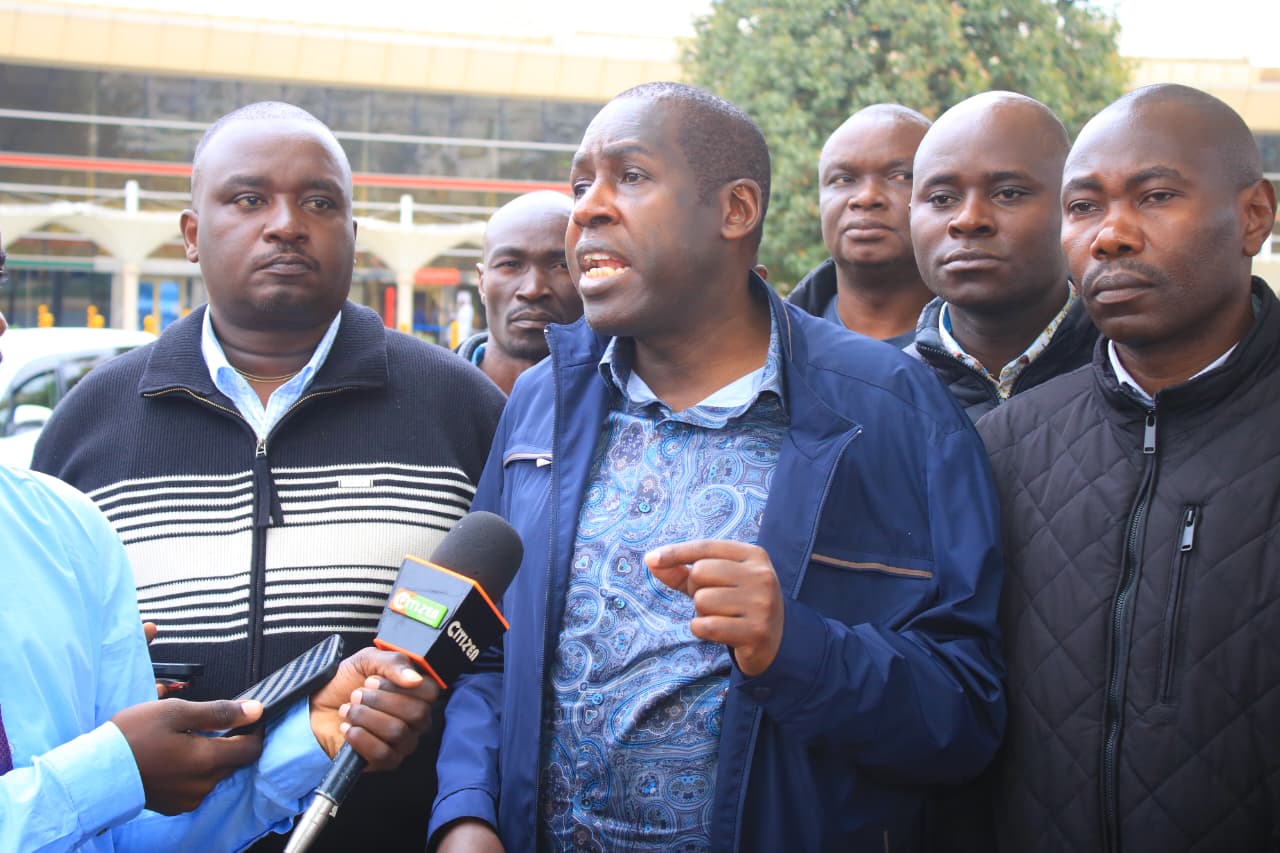

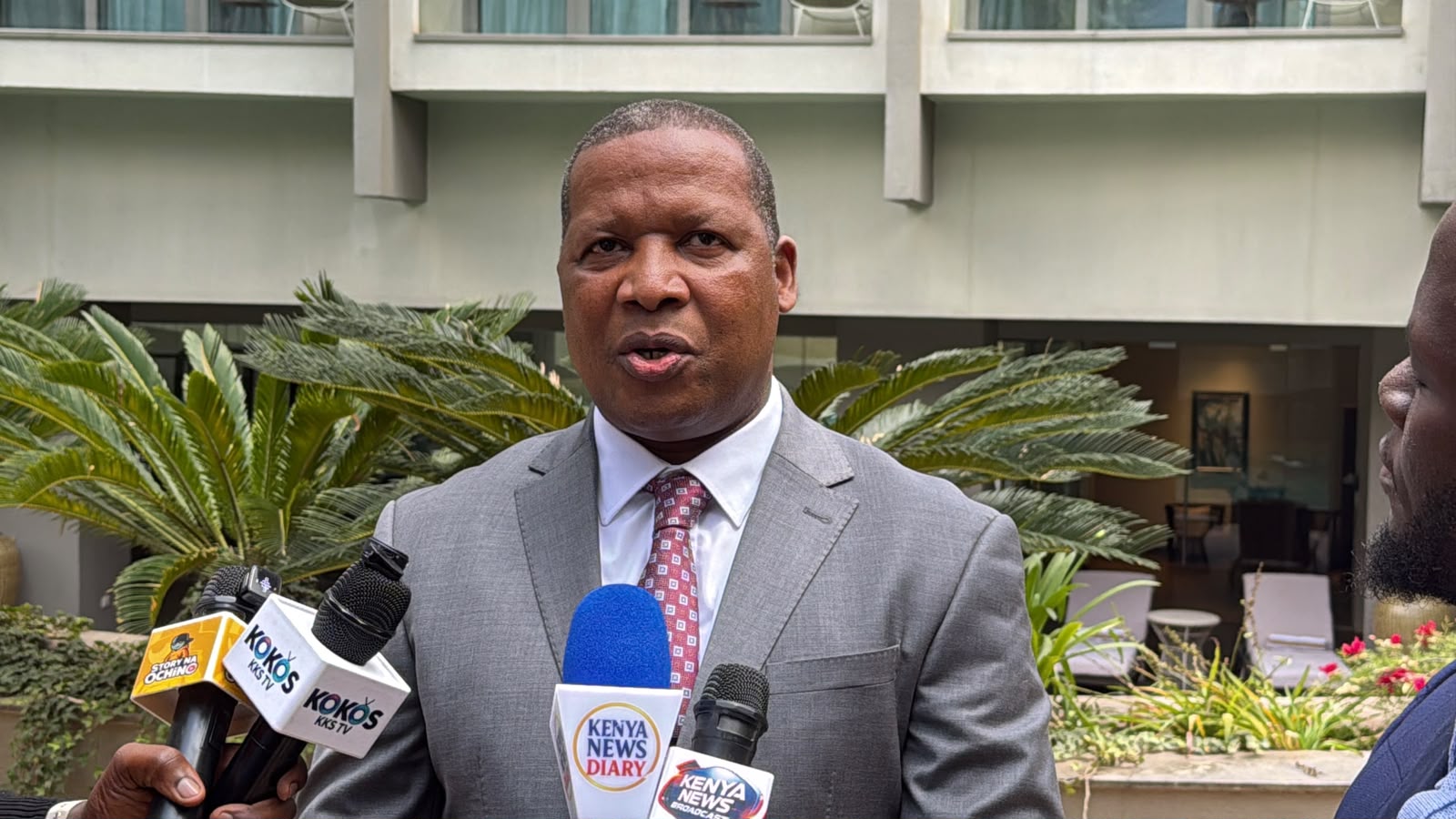
Photo caption: ILO Country Director Khumbula Ndaba speaks during a tripartite meeting on labour migration in Nairobi on September 22, 2026.
NAIROBI, Kenya — Kenya has called for stronger protection of migrant workers through fair recruitment, access to justice and portable social protection as African countries prepare a common position ahead of the Second AU-GCC+ Labour Migration Dialogue scheduled for October 5–6 in Dar es Salaam, Tanzania.
Speaking during a two-day tripartite meeting in Nairobi, Labour Commissioner Hellen Apiyo, representing Cabinet Secretary for Labour and Social Protection Alfred Mutua, said migrant workers should retain their rights when crossing international borders and should be able to access justice in both their countries of origin and destination.
“When they cross borders, they do not lose their rights. Their rights must be protected, and it’s important that we put in place measures that will ensure that they are able to access justice, whether at home or in the host countries,” Apiyo said.
She said Kenya had recently held a national dialogue on labour justice and mobility through a symposium hosted by the Employment and Labour Relations Court, which brought to the fore the need to strengthen protection for migrant workers.
Apiyo also backed the tripartite approach bringing together governments, employers and workers, saying all three groups have important roles in securing the rights of migrant workers.
“A tripartite engagement is absolutely necessary for us to secure the rights of workers and the rights of migrants,” she said.
Apiyo said recruitment was the entry point into the labour migration process and therefore needed to be transparent, properly regulated and accountable.
She called for stronger oversight of private recruitment agencies, accurate information for prospective migrant workers, transparent employment contracts and effective mechanisms for reporting abuses and obtaining remedies.
Apiyo warned against excessive recruitment fees, deception and contract substitution, saying such practices could expose workers to exploitation and debt.
She also called for greater attention to women migrant workers and those employed in sectors where vulnerabilities may be heightened, including domestic work, construction, hospitality, agriculture and care services.
The commissioner said migrant workers should have clear employment contracts, timely payment of wages, safe and healthy working conditions and protection from discrimination and abuse.
She further called for stronger social protection arrangements covering social security, health coverage and portability of benefits for workers moving across borders.
International Labour Organization Country Director Khumbula Ndaba said African countries needed to address challenges faced by migrant workers in destination countries, including discrimination, poor working conditions and inadequate protection.
He said migrant workers should enjoy decent working conditions and protection under international labour standards, while female migrant workers should equally be recognised and protected as workers providing professional services.
“Those bilateral labour agreements are often too weak and they do not contain the necessary protection measures for migrant workers,” Ndaba said, citing wages, social protection and pensions among areas requiring stronger provisions.
Ndaba said African countries should establish clear mechanisms to support migrant workers when they encounter problems in destination countries, adding that the Nairobi meeting was intended to develop a common position that could be advanced during the Dar es Salaam dialogue.
He further cautioned against blaming migrant workers for economic difficulties in host countries, saying they can become scapegoats when economies fail to create sufficient employment opportunities.
“If you have challenges, you must deal with those challenges but still recognise that migrant workers are here to provide a service,” he said.
AUC Head of Labour, Employment and Migration Sabelo Mbokazi said labour migration had become a strategic issue linked to employment, development, human rights and regional integration.
Mbokazi said African workers migrating to the Gulf region contribute to economies through their labour, skills and remittances, but some continue to face exploitation, deception, forced labour and violations of their rights.
“Worker protection cannot be an annex to labour mobility. It must be its foundation,” Mbokazi said.
He called for ethical recruitment systems, elimination of recruitment fees that can trap workers in debt and stronger oversight of private employment agencies.
Mbokazi said bilateral labour agreements should be rights-based, gender-responsive and evidence-based, with meaningful participation by governments, employers, workers and other stakeholders.
The Nairobi meeting brought together representatives of African Union member states, workers’ and employers’ organisations, development partners and regional institutions.
It was convened by the African Union Commission with support from the ILO to develop priorities ahead of the Second AU-GCC+ Labour Migration Dialogue.
The 2026 dialogue in Dar es Salaam is expected to focus on fair and sustainable labour mobility between Africa and GCC+ countries, including decent work, skills pathways and social protection.
The Nairobi meeting is expected to contribute to a coordinated African position and actionable recommendations for consideration during the October dialogue.