
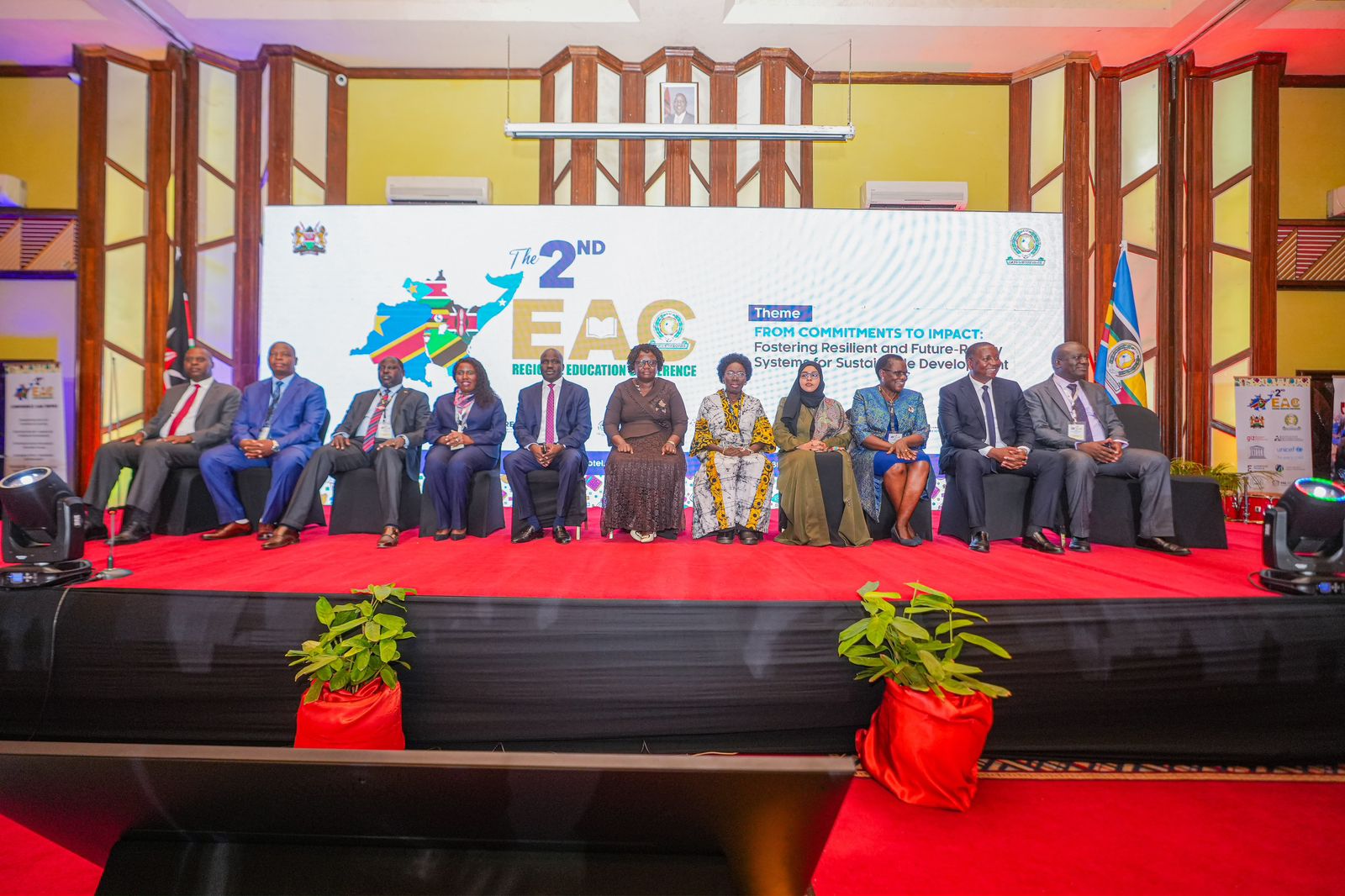
Photo Caption : Regional leaders during the 2nd East African Community (EAC) Regional Education Conference in Nairobi.
NAIROBI, August 26, 2026 — East African Community (EAC) Partner States have renewed their commitment to strengthening education systems, improving learning outcomes and increasing investment in teachers, skills and equity as the 2nd EAC Regional Education Conference continues in Nairobi.
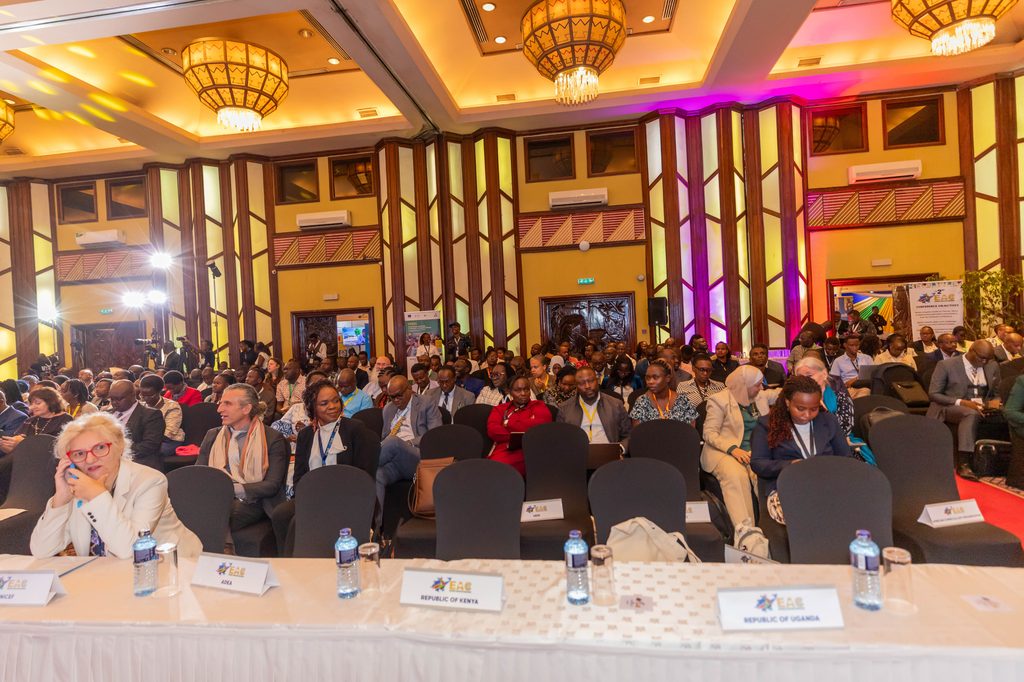
The four-day conference has brought together more than 600 education leaders, policymakers and stakeholders from the eight EAC Partner States to address persistent learning gaps, unequal access to education, skills mismatches and growing pressure on education systems.
Speaking during the conference, Chairperson of the EAC Council of Ministers and First Deputy Prime Minister and Minister for East African Community Affairs of Uganda, Rt. Hon. Rebecca Alitwala Kadaga, called for stronger regional cooperation and harmonisation of education systems to support East Africa’s integration agenda.
“Education must support the region’s integration agenda and prepare our learners to participate effectively in an increasingly interconnected East African economy,” Kadaga said.
She said aligning education policies, curricula and qualifications would facilitate mobility of learners and skills across Partner States while ensuring that education systems respond to shared development priorities.
On his part, EAC Deputy Secretary General in charge of Productive and Social Sectors, Hon. Ariik Malueth, highlighted progress made by the Community in developing regional frameworks to support cooperation in education.
“At basic education level, the EAC has developed strategies to support harmonisation and strengthen the foundations for lifelong learning and skills development,” Malueth said.
He noted that the EAC TVET Qualifications Framework had been developed and was awaiting approval, saying it would support recognition of qualifications, skills mobility and stronger alignment between training and the regional labour market.
Malueth also highlighted regional efforts to improve education statistics through guidelines for compiling comparable and reliable data to strengthen evidence-based policymaking.
“These initiatives demonstrate that regional cooperation in education is already producing practical frameworks. Our responsibility now is to ensure that these frameworks translate into better learning, stronger institutions, relevant skills and greater opportunities for East Africans,” he said.
Meanwhile, Tanzania’s Minister for Education, Science and Technology, Prof. Adolf Mkenda, called for greater focus on foundational learning as a basis for improving education outcomes.
“Foundational learning must remain at the centre of our efforts to improve education outcomes, alongside continued investment in teachers, quality education and skills development,” Mkenda said.
He emphasised the need to equip learners with knowledge, competencies and adaptability required to navigate a changing world of work.
Dr Mary Goretti, Executive Director of Uwezo Uganda and Board Chair of RELI Africa, described the conference as an important platform for policy dialogue among policymakers, researchers, practitioners and other education actors.
“This conference provides an important platform to bring together evidence, policy and practice so that education reforms can translate into improved learning outcomes,” Goretti said.
She called for stronger links between evidence, policy and implementation to ensure that reforms address the challenges facing learners, particularly those in vulnerable and marginalised communities.
While Partner States have expanded access and implemented major reforms, persistent inequalities continue to affect children in rural and marginalised communities, learners with disabilities and other vulnerable groups.
Teacher shortages, resource constraints and weak transitions between education levels also continue to limit opportunities for many young people.
The conference is reviewing progress since the inaugural regional education conference held in Arusha in 2024, identifying implementation gaps and building consensus around actions requiring greater political, technical and financial commitment.
Priority areas include early and foundational learning, teacher capacity and professional development, inclusive education, digitalisation and innovation, TVET and skills development, stronger links between education and industry, research and data, and sustainable education financing and governance.
The conference is expected to generate practical policy recommendations and implementation actions while strengthening regional consensus on education priorities and cooperation across the EAC.