
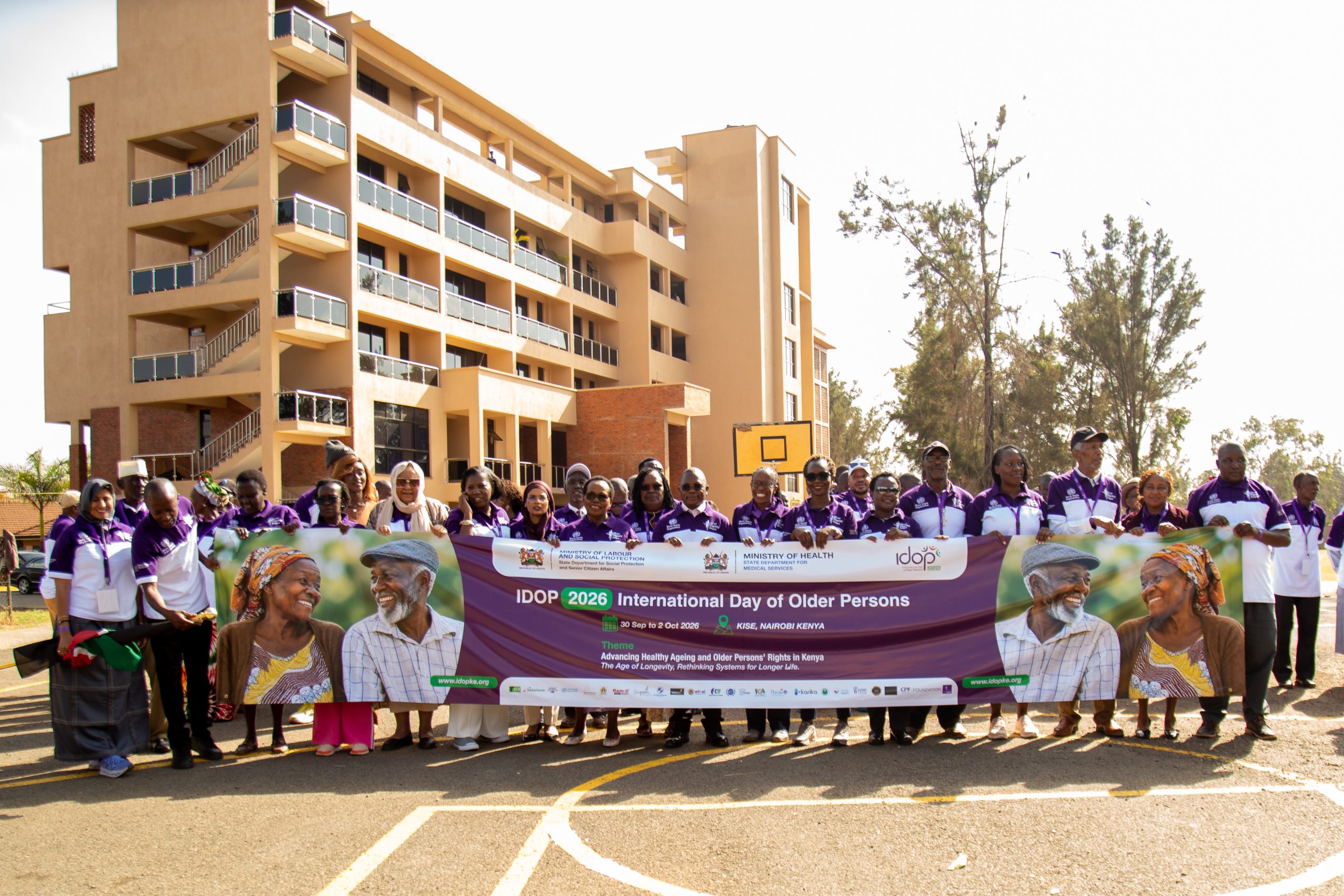
Participants take part in the Silver Dignity Walk during Kenya’s inaugural national celebration of the International Day of Older Persons at the Kenya Institute of Special Education (KISE), Nairobi, Oct. 1, 2026.
NAIROBI, October 1, 2026 — Kenya is strengthening health and social protection systems to respond to a growing population of older persons, with the Government approving the establishment of the country’s first Level Six geriatric hospital.
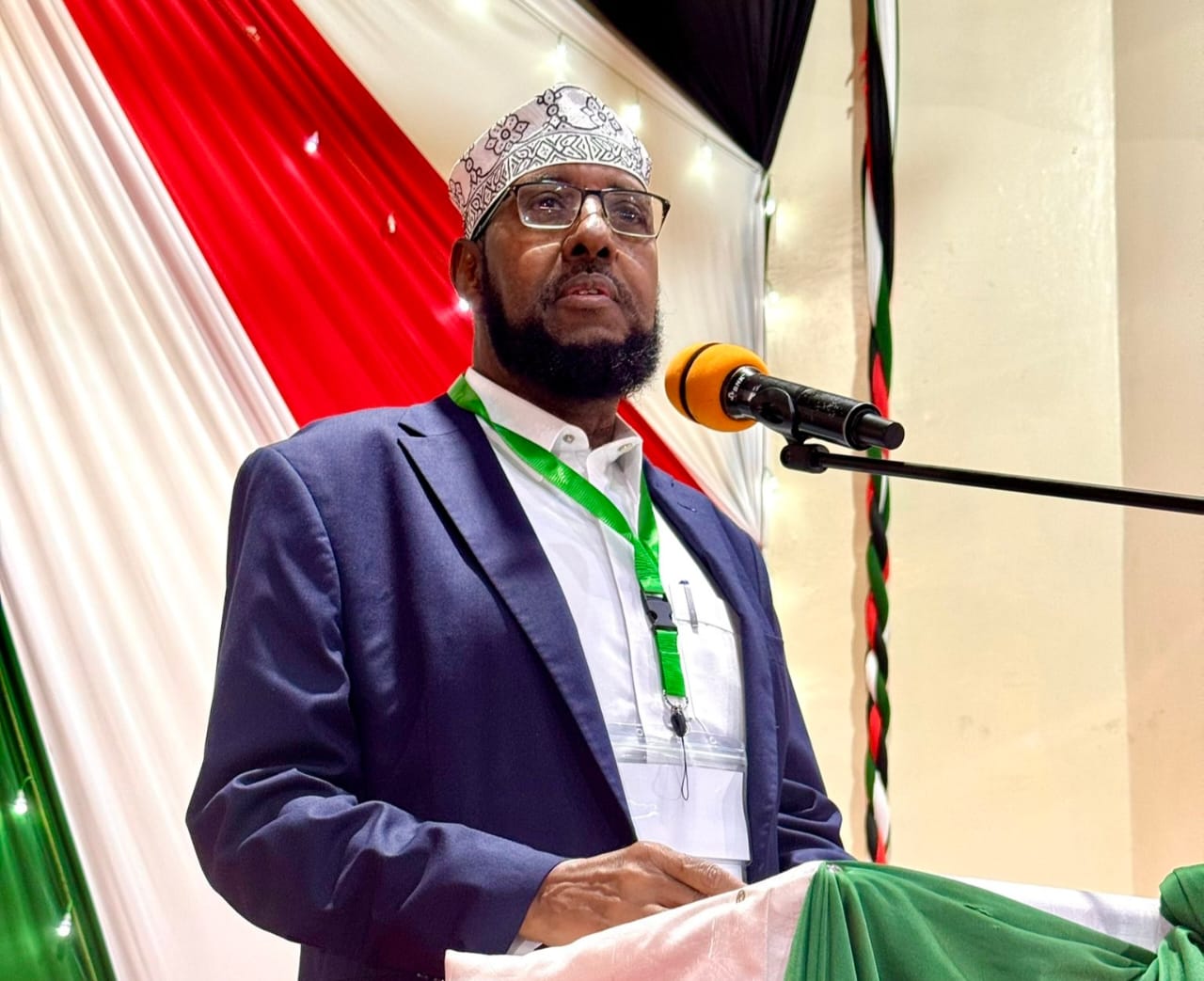
Speaking during the inaugural national celebration of the International Day of Older Persons at the Kenya Institute of Special Education (KISE) in Nairobi, James Ntabo, Secretary Administration, Ministry of Health, who read the speech on behalf of Principal Secretary for Medical Services Dr Ouma Oluga, said more than 3.2 million Kenyans are currently aged 60 and above, with the number projected to rise to between 5.5 million and 6.5 million by 2035.
“The demographic shift calls for proactive investment towards health, care and support systems to address the changing needs of older persons,” Ntabo said.
He said the Ministry of Health had prioritised a holistic approach to the health and well-being of older persons through the Health, Ageing and Older Persons Health Strategy 2026.
The strategy focuses on improving services for older persons, expanding access to essential geriatric medicines, integrating geriatric care into primary healthcare, building human resource capacity in geriatrics and gerontology, and strengthening research and multisectoral collaboration.
Ntabo said the Government was also refining the structure of the Ministry of Health to establish a dedicated division for health, ageing and older persons and had formed a national technical working group to coordinate interventions.
“My ministry, with key stakeholders, has already approved the establishment of the first geriatric Level Six hospital in this country,” Ntabo said.
He called for clear training programmes for healthcare providers and caregivers and the development of standards for aged and long-term care.
Ntabo said the Government was also strengthening support for older persons through the Social Health Authority (SHA), including coverage for conditions such as hypertension, diabetes, cancer, mental health and dialysis.
He said older persons had also been included among beneficiaries of the indigent programme under the Social Health Insurance Fund as part of efforts to advance universal health coverage.
Ntabo further called for greater attention to dementia, Parkinson’s disease and other neurological conditions affecting older persons, saying the Ministry was finalising a comprehensive dementia action plan.
“These neurological conditions affect far more than the individuals living with them; they also affect their carers and family members,” he said.
He also urged stakeholders to sustain physical activity initiatives for older persons, challenging them to continue the Silver Dignity Steps and prepare for a Silver Dignity Run next year.
“It just confirmed that older persons, you are loved, you are respected,” Ntabo said, referring to support from Athletics Kenya and other partners for the planned event.
Speaking from a global development perspective, Jeremy Veillard, Manager, Health Policy and Regulations at the World Bank Group, said longer life expectancy presented an opportunity for countries to rethink how health and social systems respond to ageing populations.
“Healthy longevity and ageing, it’s a dual policy window. It’s about rethinking systems and harnessing the silver economy,” Veillard said.
He said health systems designed around individual diseases and episodic treatment were not well suited to people who live for many years with multiple chronic conditions, including cardiovascular diseases, cancer, diabetes and dementia.
“Longevity is a global development success story. Living longer in good health is the next challenge, which calls for our systems to adapt,” he said.
Veillard said healthy ageing should also be viewed across the life course, with the health and functional ability people experience in older age shaped by factors accumulated over many years.
Meanwhile, Director of the Directorate of Social Assistance in the State Department for Social Protection and Senior Citizen Affairs, Moses Kamau, said the Government was working to make social protection services more accessible to older persons, particularly through digital platforms.
Kamau said the State Department took the International Day of Older Persons seriously as part of its mandate to support vulnerable members of society.
He said the Inua Jamii programme had adopted digital platforms to make it easier for beneficiaries to access their monthly Sh2,000 cash transfer, particularly those living in remote areas.
“We went to digital platforms so that we can make accessing the Sh2,000 easier with little or even no cost,” Kamau said.
He said some older persons had previously travelled up to 100 kilometres to access the cash, sometimes spending a significant portion of the transfer on transport.
Kamau urged caregivers and family members not to misuse funds belonging to older persons and encouraged beneficiaries to learn how to access their payments directly.
He said the Government currently allocates about Sh36 billion annually to support older persons, persons with disabilities, orphans and vulnerable children through social protection programmes.
Kamau also urged younger generations to strengthen intergenerational relationships and respect older persons, noting that ageing was a shared experience.
“Be careful how you treat our older persons because that is where we are also heading,” he said.
The inaugural two-day IDOP Kenya 2026 National Conference is being held under the theme “The Age of Longevity: Rethinking Systems for Longer Lives”, bringing together policymakers, health professionals, researchers, older persons, caregivers and development partners to discuss healthy ageing, healthcare, social protection and stronger systems for longer lives.