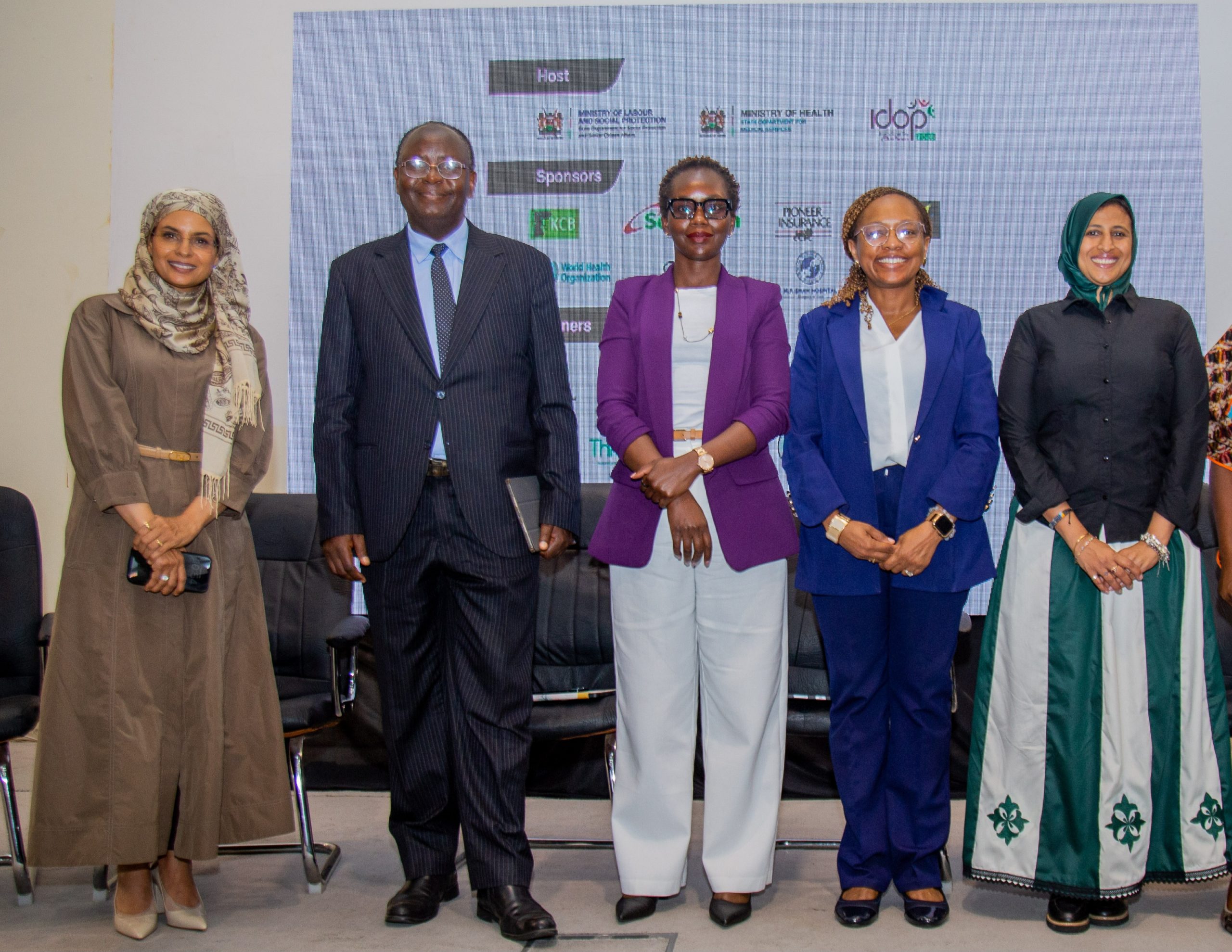

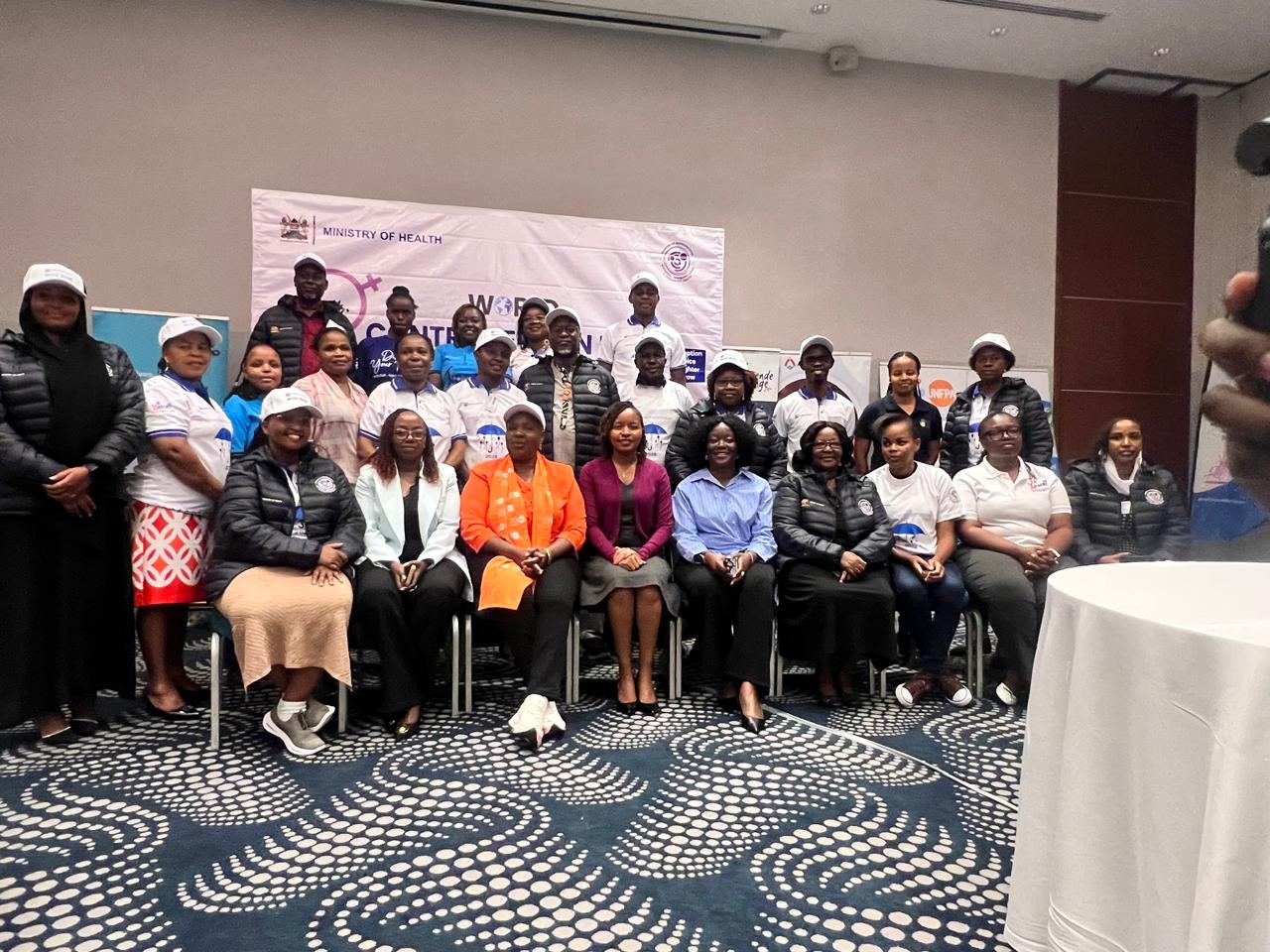
Photo Caption: Participants pose for a group photo during the World Contraception Day event in Nairobi on Friday, September 25, 2026.
NAIROBI, Kenya, September 25, 2026 — The Ministry of Health has called for stronger investment in family planning services, reliable contraceptive supplies and youth-friendly health facilities to expand access to reproductive health services across the country.
Speaking during an event to mark World Contraception Day in Nairobi, Director of Curative and Nursing Services at the Ministry of Health Dr Andrew Toro, who represented the Director-General for Health, said healthcare providers should take time to counsel clients and provide accurate information before they choose family planning methods.
“When you get these clients, for heaven’s sake, take time. Take time with them, talk about and ensure you inform them,” Toro said.
He said healthcare providers should also understand the cultural and religious environment in which they offer reproductive health services to avoid creating barriers for clients.
Toro, a gynaecologist and reproductive health specialist, said his experience in the field had taught him the importance of understanding clients’ backgrounds when providing family planning services.
He also called for the strengthening of youth-friendly centres to make reproductive health services more accessible to young people.
“We need youth-friendly centres so that our youth can feel impressed that we have a workshop rather than what we used to have,” he said.
Toro said Kenya had made significant progress in contraceptive uptake but continued to face challenges including unmet need, regional disparities, commodity shortages and pressure on health financing.
He said the Ministry would continue strengthening domestic financing, public health communication, primary healthcare networks and community-level services while working with counties and development partners to sustain access to contraceptive commodities.
“We will continue working as a Ministry of Health and ensure that we walk this journey together until we succeed,” Toro said.
He added that counties, healthcare providers, development partners, civil society organisations and private-sector stakeholders all had important roles to play in achieving the country’s family planning objectives.
Robina Anene, Nairobi County Reproductive Health Coordinator, said the county had expanded access to family planning services through community health promoters, community-based distributors, pharmacies and public health facilities.
Speaking during the same event, Anene said Nairobi had invested in increasing access to contraceptive services, including self-administered methods, while strengthening links between community pharmacies and public facilities.
“Contraception is not only about accessibility, but also about ensuring that our clients are able to get it when they need it,” Anene said.
She said the county had empowered community health promoters to reach women of reproductive age and young people at household level and link clients requiring additional support to health facilities.
Anene said Nairobi had also integrated family planning into other health services to reduce waiting times and make it easier for clients to access multiple services at one point of care.
She noted that the county had faced shortages of commodities but had empowered health facilities to procure supplies when necessary to maintain continuity of services.
Anene further highlighted the importance of youth-focused services, saying young people needed dedicated spaces where they could seek reproductive health information and services.
Meanwhile, Phelister Mutsi, a youth representative and family planning advocate, called for greater access to accurate information and non-judgmental services for young people.
Mutsi said youth champions had an important role in reaching young people with information on contraception and encouraging them to seek services from qualified healthcare providers.
“My work as a youth champion is to walk to my fellow youth,” Mutsi said.
She said youth-friendly services had made it easier for young people to seek reproductive health information and contraceptive services without fear of judgement, while commending healthcare workers for creating welcoming environments for young clients.
Mutsi urged young people to seek accurate information from qualified healthcare providers and make informed decisions about their reproductive health.