
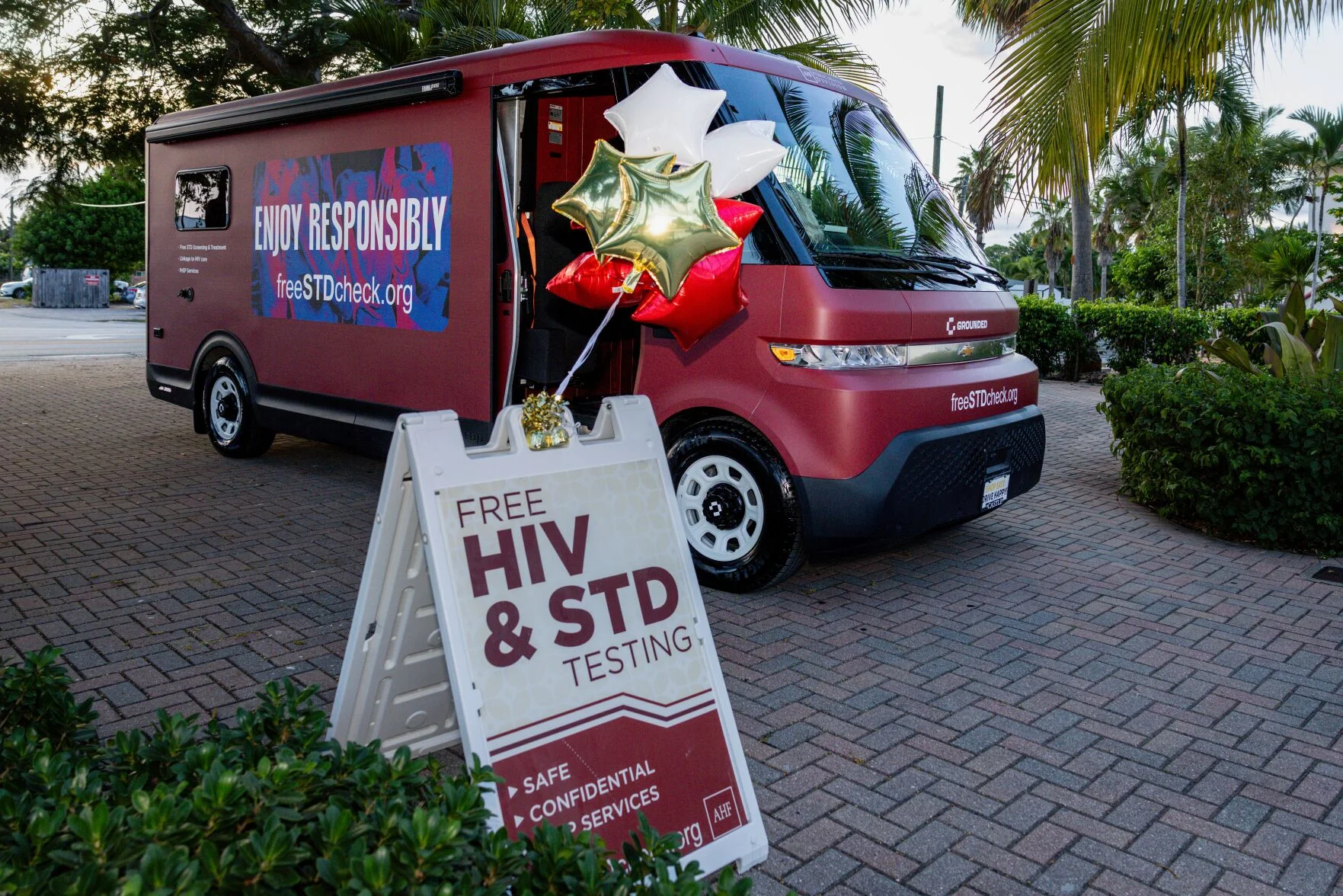
Photo Caption: Free HIV & STD testing – safe and confidential services by AHF.
NAIROBI, September 4, 2026 — The AIDS Healthcare Foundation (AHF) has called for sustained access to HIV and sexually transmitted infections (STIs) prevention, testing and treatment services in Kenya, saying sexual health should remain an integral part of the country’s broader health agenda.
The organisation made the call as Kenya joined the rest of the world in marking World Sexual Health Day, observed annually on September 4, amid concerns over persistent gaps in awareness, access to treatment and prevention services.According to the Kenya 2026 HIV Estimates, about 1,481,853 people are living with HIV in the country, while an estimated 13,936 new HIV infections and 19,434 AIDS-related deaths occur annually.
National HIV prevalence among people aged 15 to 49 is estimated at 3.22 per cent.AHF said the figures demonstrate the need for Kenya to sustain gains made in its HIV response while ensuring that prevention, testing and treatment services remain accessible to all people who need them.
AHF Chief of Global Advocacy, Policy and Marketing Terri Ford said sexual health should receive the same attention and resources accorded to other areas of healthcare, noting that proven interventions are already available to prevent and manage HIV and other STIs.
“Sexual health deserves the same investment and urgency as any other part of a person’s health care,” Ford said.
She said decades of experience in the HIV response had demonstrated that consistent access to proven prevention, testing and treatment measures remained critical in reducing new infections and improving health outcomes.
“Over our decades of experience, we know what works testing, treatment, and condoms,” Ford said.
AHF said STIs remain a significant sexual and reproductive health concern, particularly because many infections can occur without visible symptoms, increasing the possibility of delayed treatment and unknowing transmission.
Globally, more than one million STIs are acquired every day, with syphilis, chlamydia, gonorrhoea and trichomoniasis continuing to affect millions of people annually.
The foundation said declining global health funding, coupled with reduced access to condoms and routine screening, could further contribute to rising STI rates and undermine efforts to prevent new infections.
To strengthen sexual health services in Kenya, AHF is advocating for expanded routine screening for HIV, syphilis and other STIs, particularly among pregnant women and people considered to be at higher risk.
The organisation is also calling for continued access to free or low-cost condoms and other prevention services as part of efforts to reduce new infections and promote early diagnosis and treatment.
AHF further urged greater integration of HIV and STI services to enable people to access testing, treatment and prevention during a single visit while reducing barriers associated with stigma and discrimination.
The foundation said maintaining accessible sexual health services would be critical to protecting the progress Kenya has achieved in its HIV response.
It stressed that prevention efforts should continue alongside treatment, with communities receiving accurate information, access to condoms, testing and timely medical care.
Through initiatives including its “Syphilis Is Serious: It’s Curable. Get Tested.” campaign, “Just Use It!” condom advocacy and the AHF Wellness Center model, the organisation said it continues to promote testing, treatment and stigma-free sexual health services in countries where it operates.
World Sexual Health Day serves as a reminder that sexual health is closely linked to overall health and well-being.
AHF promise to continue advocating for measures that ensure prevention, testing and treatment services reach everyone who needs them.